EIA Gives Oil Traders a New Way to Panic About Hormuz
EIA Gives Oil Traders a New Way to Panic About Hormuz Julianne Geiger is a veteran editor, writer and researcher for Oilprice.com, and a member of the Creative Professionals Networking Group.
Energy Information Administration is about to hand oil traders another thing to obsessively refresh between API inventory data drops and Strait of Hormuz headlines.
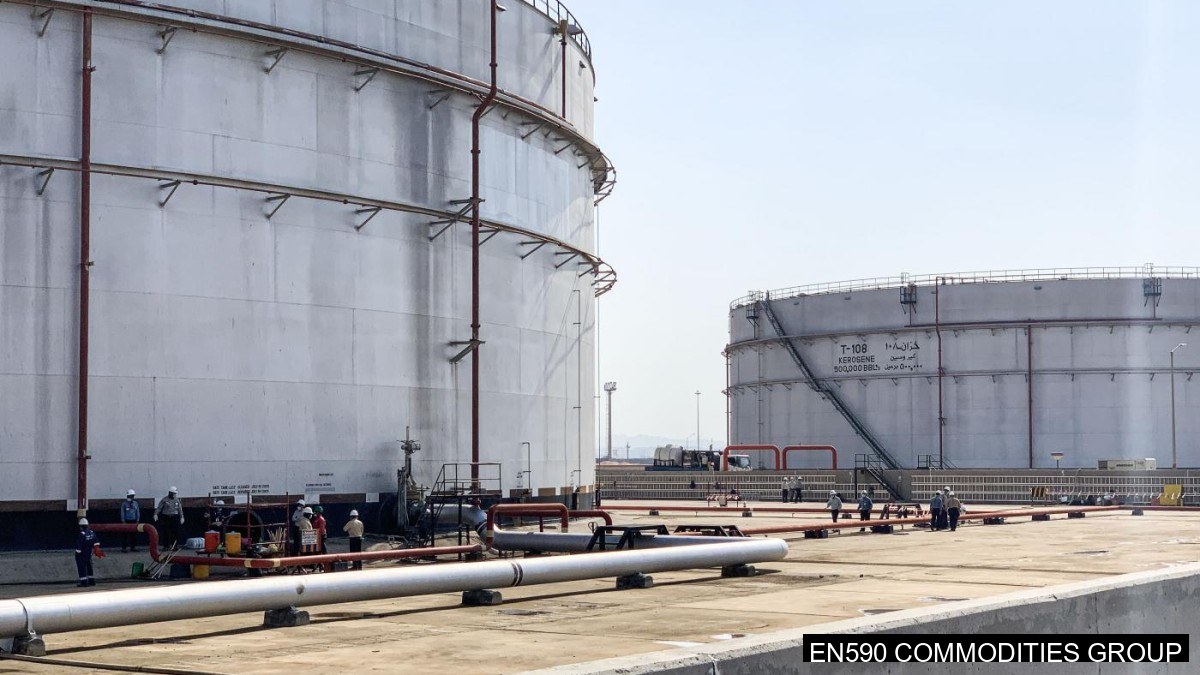
Starting Wednesday, the EIA will publish a new quarterly report that tracks global strategic petroleum reserves and energy flows through major shipping choke points, including through the world’s most nerve-wracking stretch of water right now: the Strait of Hormuz.
The additional data will add to the hyperfixation that currently exists in the oil market on the fallout from the Iran war, where every tanker reroute, insurance spike, and export disruption has the potential to swing crude prices violently in either direction.
According to the EIA, the new datasets are designed to provide deeper visibility into how global oil and LNG supply chains are holding together (or not) under mounting geopolitical stress.
“The timing of resumed oil flows through the Strait of Hormuz and the subsequent rate at which Middle Eastern producers restore output are key factors influencing EIA’s price forecasts through year end,” EIA Administrator Tristan Abbey said Tuesday, adding that the new data will offer “additional depth”.
Translation: traders are about to get another major data point to capitalize on pricing fear.
Oil markets trade on perceived supply risk long before actual barrels disappear.Weekly APIand EIA inventory reports already trigger instant price swings.
A surprise crude build can hammer prices within seconds.
A larger-than-expected draw can light a fire under Brent before traders finish their coffee.
Now layer on fresh government data tracking strategic reserves and the physical movement of crude and LNG through global bottlenecks.
If the reports show slower-than-expected recovery in Hormuz flows, tightening inventories, or reserve drawdowns among major consuming nations, bullish traders will likely treat it as confirmation that the market remains structurally vulnerable.
| Product | Price | Change |
|---|---|---|
| Brent Crude | $102.14/bbl | ▲ +0.34% |
| WTI Crude | $96.90/bbl | ▲ +0.21% |
| EN590 Diesel | $846/MT | ▲ +0.18% |
| Jet Fuel A-1 | $1090/MT | ▲ +0.55% |
| Mazut M100 | $450/MT | ▼ -0.15% |
| Bitumen 60/70 | $470/MT | ▲ +0.08% |
| Sulphur Gran 99.5% | $470/MT | ▼ -0.44% |
| Urea 46% Gran | $650/MT | ▲ +1.12% |
| NPK 16-16-16 | $460/MT | ▼ -0.28% |
| Nat Gas TTF | $15.42/MMBtu | ▲ +0.92% |
Price alerts · Industry news
Comments
Post a Comment