India Turns to Russia, Brazil, and Venezuela for Crude
Natural Gas Prices Surge On Lower Output, Higher LNG Flows What I Cover Tsvetana Paraskova is an energy and commodities journalist who has contributed to Oilprice.com for nearly a decade, covering global energy markets, commodities,… The world’s third-largest crude importer, India, is accelerating efforts to diversify its oil imports in the wake of the Middle East crisis.
India had begun raising imports from Russia three years before the Iran war cut off most supplies from the Middle East, on which India relies for about half of its crude purchases.
With the Strait of Hormuz de facto closed and only a handful of tankers moving out of the chokepoint per week, and few of these India-bound, the country is looking further away for sources of crude.
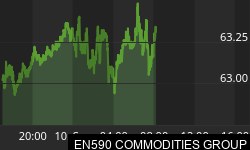
Africa and South America have become an important part of India’s crude import slate in recent weeks, as refiners seek to replace the barrels trapped west of the Strait of Hormuz.
The share of Middle Eastern supply of all Indian purchases slumped in March and April as most of the crude is trapped behind the Strait and unable to leave the Persian Gulf.
Saudi Arabia and the United Arab Emirates (UAE) have sent relatively stable volumes to India since the war started.
But they are the only Middle Eastern producers with pipeline capacity to bypass the Strait of Hormuz and ship crude from ports not needing access to the chokepoint.Related: Trump’s Iran Signals Send Oil Markets Into Chaos Crude from Iraq, Kuwait, Qatar, and Bahrain couldn’t reach India in recent months.
India didn’t buy any Iraqi crude in April, according to data by Kpler cited byReuters.
But purchases for May appear to have resumed, probably thanks to bilateral Iraq-Iran agreements for the safe passage of Iraqi oil tankers out of the Strait of Hormuz.
OPEC’s second-largest producer, Iraq, heavily dependent on oil revenues and constrained by limited alternative export routes, has alreadysecured passagefor multiple supertankers carrying Basrah crude and is seeking additional agreements with Tehran.
Iraq was one of the first Gulf producers to slash upstream production and now exports a small part of its crude via a pipeline to the Turkish Mediterranean coast.
But its key export port at Basrah, which handled the bulk of exports before the war, is constrained due to the nearly impassable Strait of Hormuz.
| Product | Price | Change |
|---|---|---|
| Brent Crude | $102.14/bbl | +0.34% |
| WTI Crude | $96.90/bbl | +0.21% |
| EN590 Diesel | $846/MT | +0.18% |
| Jet Fuel A-1 | $1090/MT | +0.55% |
| Mazut M100 | $450/MT | -0.15% |
| Bitumen 60/70 | $470/MT | +0.08% |
| Sulphur Gran 99.5% | $470/MT | -0.44% |
| Urea 46% Gran | $650/MT | +1.12% |
| NPK 16-16-16 | $460/MT | -0.28% |
| Nat Gas TTF | $15.42/MMBtu | +0.92% |
Comments
Post a Comment