Iran War Threatens Gulf Investment Boom in Central Asia
US Hits Iran-Flagged Oil Tankers While Peace Talks Continue Pakistan’s campaign against Afghanistan is… James D.
Durso is the Managing Director of Corsair LLC, a supply chain consultancy.
In 2013 to2015, he was the Chief Executive Officer of AKM… The 2026 U.S.-Israel war on Iran, the Ramadan War, which began with airstrikes on 28 February 2026 and involved Iranian retaliation via missiles, drones, and a blockade of the Strait of Hormuz, has indirectly but significantly constrained investment plans by Persian Gulf petrostates, primarily Saudi Arabia, the United Arab Emirates, and Qatar, along with other Gulf Cooperation Council (GCC) members, in Central Asia.
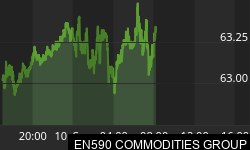
These petrostates were not direct belligerents but suffered economic fallout from Iranian strikes on their energy infrastructure, ports, aviation, tourism, and logistics, plus the near halt ofroughly 20%of global oil and liquified natural gas (LNG) flows through Hormuz.
Goldman Sachsprojects GDP hits of up to 14% for Qatar and Kuwait, 5% for the UAE, and 3% for Saudi Arabia if disruptions persist.
TheUnited Nations Development Programmeestimates the war “may cost economies in the region from 3.7 to 6.0 percent of their collective Gross Domestic Product (GDP)” or US$120-194 billion and exceeds the cumulative regional GDP growth achieved in 2025.” War damages have forced a broader fiscal rethink, with at leastthree GCC governmentsreviewing trillions in sovereign wealth fund (SWF) deployments, potential pledge reversals, divestments, and sponsorship deals to offset losses and prioritize domestic recovery, defense, and infrastructure hardening.
Saudi Arabia has ended its partnership with theMetropolitan Operain New York City and theLIV Golf, but the real consequences will come from reduced investments in transport, energy, and water projects in Asia and Africa, not image-building projects targeted at well-off consumers in high-income countries Related: Iran Seizes Sanctioned Oil Tanker in Gulf of Oman Before the conflict, Gulf petrostates had beenexpanding investmentsin Central Asia, primarily Kazakhstan, Uzbekistan, and Turkmenistan, as part of economic diversification away from oil, resource-seeking (e.g., uranium, rare earths, gas), and geopolitical hedging, totaling US$16.2 billion by late 2025.
Examples included UAE logistics and energy deals, Saudi mining and infrastructure, and broader GCC engagement in post-Soviet markets.
These were modest relative to Gulf investments in the U.S., Europe, or Africa but aligned with Vision 2030-style strategies and alternatives to Russian and Chinese influence, which also suited Washington’s interests.
No cancellations of specific Central Asia projects have been officially announced so far, but the war’s economic shock has created clear headwinds through several channels: Capital constraints and SWF recalibration.
GCC SWFs (managing ~$5 trillion) may shift towardsdomestic needs, e.g., repairing damaged facilities, bolstering defense, and supporting local.
| Product | Price | Change |
|---|---|---|
| Brent Crude | $102.14/bbl | ▲ +0.34% |
| WTI Crude | $96.90/bbl | ▲ +0.21% |
| EN590 Diesel | $846/MT | ▲ +0.18% |
| Jet Fuel A-1 | $1090/MT | ▲ +0.55% |
| Mazut M100 | $450/MT | ▼ -0.15% |
| Bitumen 60/70 | $470/MT | ▲ +0.08% |
| Sulphur Gran 99.5% | $470/MT | ▼ -0.44% |
| Urea 46% Gran | $650/MT | ▲ +1.12% |
| NPK 16-16-16 | $460/MT | ▼ -0.28% |
| Nat Gas TTF | $15.42/MMBtu | ▲ +0.92% |
Price alerts · Industry news
Comments
Post a Comment