Trump Cannot Just Win the Strait. He Has to Win the Oil Curve
Canadian Natural Says Pipeline Needed to Unlock Oil Sands Growth Emir J.
Phillips is a finance professor and author whose work examines energy finance, monetary architecture, valuation, banking fragility, and political economy.
His essays have… The U.S.-Iran war has created a military crisis in the Gulf.
But for oil markets, the more dangerous battlefield may now be the futures curve.
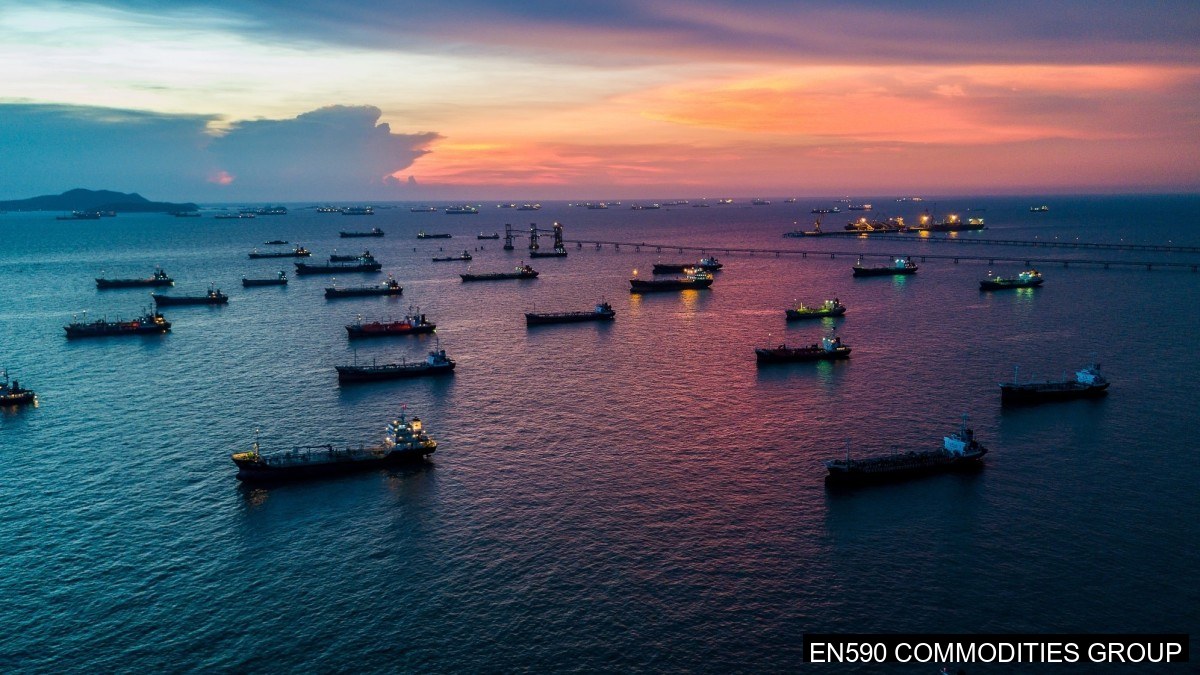
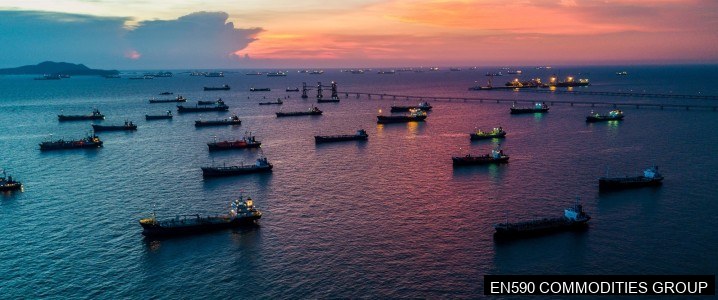
It appeared on maps, vessel-tracking screens, insurance desks, and refinery procurement calls: the Strait of Hormuz restricted, tankers delayed, Gulf exports impaired, and refiners scrambling for replacement barrels.
It is moving through hedge books, margin accounts, cargo-finance lines, refinery schedules, LNG contracts, diesel inventories, and the working capital of companies that still have to buy, insure, ship, refine, hedge, and pay for energy while the war remains unresolved.
That is the phase Washington must now manage.
The Trump administration cannot simply try to “bring oil prices down.” That would be too crude, and potentially counterproductive.
Futures markets do not respond well to political intimidation.
If Washington appears to be manipulating price rather than clarifying supply, it could drain liquidity from the very markets airlines, refiners, utilities, producers, and traders need in order to hedge real physical exposure.
The better objective is more precise: reduce the panic premium.
That means making the physical barrel believable again.
| Product | Price | Change |
|---|---|---|
| Brent Crude | $102.14/bbl | ▲ +0.34% |
| WTI Crude | $96.90/bbl | ▲ +0.21% |
| EN590 Diesel | $846/MT | ▲ +0.18% |
| Jet Fuel A-1 | $1090/MT | ▲ +0.55% |
| Mazut M100 | $450/MT | ▼ -0.15% |
| Bitumen 60/70 | $470/MT | ▲ +0.08% |
| Sulphur Gran 99.5% | $470/MT | ▼ -0.44% |
| Urea 46% Gran | $650/MT | ▲ +1.12% |
| NPK 16-16-16 | $460/MT | ▼ -0.28% |
| Nat Gas TTF | $15.42/MMBtu | ▲ +0.92% |
Price alerts · Industry news
Comments
Post a Comment