China Begins Tapping Oil Stockpiles as Middle East Crisis Drags On
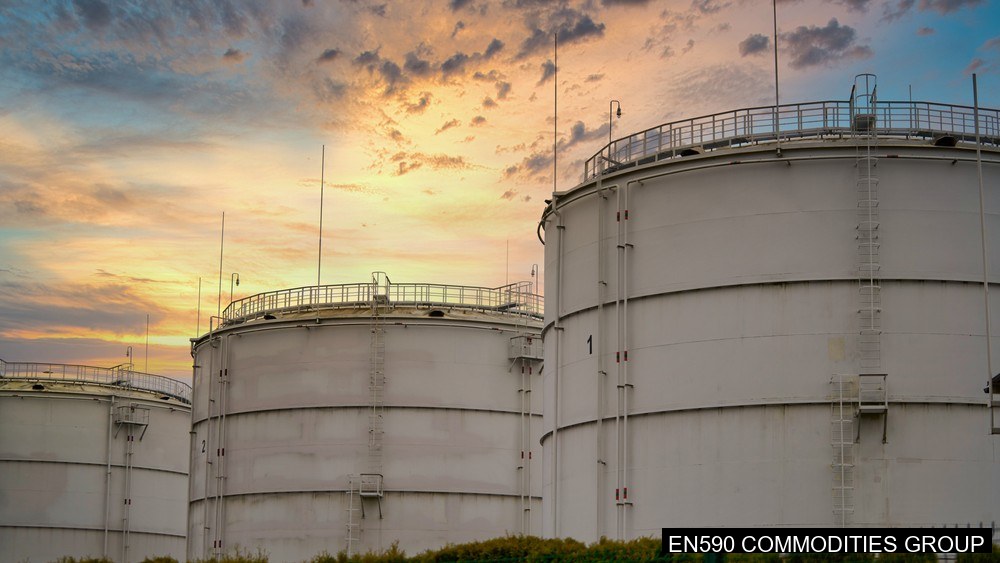
Power Mix for the First Month Ever What I Cover Tsvetana Paraskova is an energy and commodities journalist who has contributed to Oilprice.com for nearly a decade, covering global energy markets, commodities,… China began tapping its huge oil reserves in May, three months after the Middle East conflict wiped out about a tenth of global supply, in a sign that Beijing is still refraining from paying top-dollar for prompt crude deliveries.
Over the next few months, China is expected to draw an average of about 1 million barrels per day (bpd) from its massive oil stockpiles, according to estimates by energy consultants and energy flow-tracking firms Energy Aspects, Kpler, and Vortexa cited byBloomberg.
China is the world’s top crude importer, but it was also the importer best prepared to weather a global supply crisis.
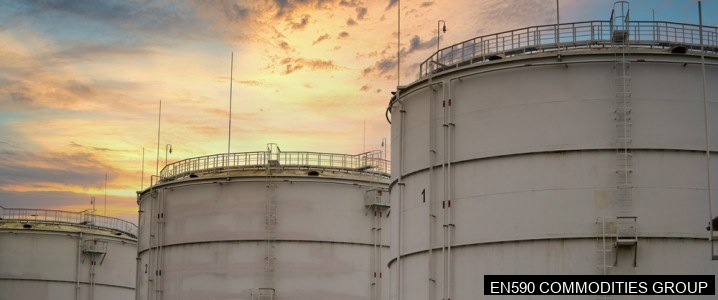
In the year before the Iran war started, China is estimated to have amassed between 1.2 billion and 1.3 billion of oil in commercial and strategic reserves.
These could be even higher as the inventories are a closely-guarded secret, as are China’s imminent plans about stockpiling or drawing down reserves.
So far into this unprecedented crisis, China has slashed refinery run rates at state-owned energy giants andallowedloss-making independent refiners to cut utilization rates, too, easing an earlier directive for teapots to maintain high levels of gasoline and diesel supply, even at a loss, or risk their crude import quotas being slashed.
The ‘at-all-costs’ refinery output directive was the result of China’s policy to preserve domestic fuel supply amid the worst oil supply disruption in history.
But as inventories are sufficient enough, also due to slashed exports, the Chinese authorities now seem to be inclined to relax the policy, at least for some of the struggling private refiners.
China’s gasoline and diesel exports remain sufficient amid the export curbs that haveslashed overseas shipmentsin recent months.
Moreover, crude oil imports to China in Mayfell to their lowest since October 2017due to the price spike.
In addition, gasoline consumption in China has dropped since the Iran war upended the market, and is on track todecline more than previously expectedthis year, due to the higher prices and the continued push toward electric vehicles.
The key question for the oil market is how long China could tolerate stock draws and slashed refinery output and when it will return to more active crude purchases.
| Product | Price | Change |
|---|---|---|
| Brent Crude | $102.14/bbl | +0.34% |
| WTI Crude | $96.90/bbl | +0.21% |
| EN590 Diesel | $846/MT | +0.18% |
| Jet Fuel A-1 | $1090/MT | +0.55% |
| Mazut M100 | $450/MT | -0.15% |
| Bitumen 60/70 | $470/MT | +0.08% |
| Sulphur Gran 99.5% | $470/MT | -0.44% |
| Urea 46% Gran | $650/MT | +1.12% |
| NPK 16-16-16 | $460/MT | -0.28% |
| Nat Gas TTF | $15.42/MMBtu | +0.92% |
Comments
Post a Comment