Global EV Industry Faces Outsized Risk From Cobalt Supply Disruptions
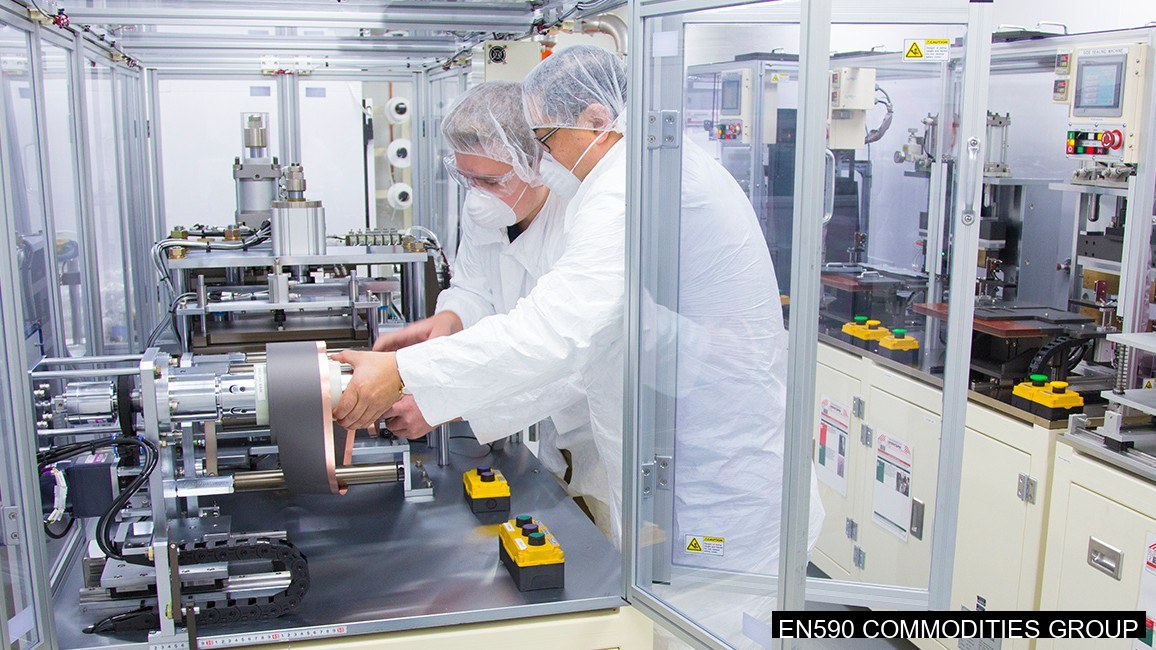
Greek Energy Pulls In $26B As Europe Scrambles To Replace Russian Gas Venezuela is attracting renewed interest… Back in 2020, the electric vehicle sector witnessed a major evolutionary change after leading EV makers started using cobalt-free batteries at scale.
Back then,Tesla Inc.(NASDAQ:TSLA) officially shifted to Lithium Iron Phosphate (LFP) for its standard-range vehicles while its leading Chinese rival,BYD Company(OTCPK:BYDDF), introduced its famous "Blade" batteries, triggering mass adoption of LFP batteries for electric vehicles by other automakers.
LFP batteries have helped EV manufacturers to lower production costs, eliminate reliance on expensive and ethically fraught materials like cobalt and nickel and improved battery durability.Still, ~45% of EVs manufactured today rely on traditional cobalt chemistries, primarily Lithium Nickel Manganese Cobalt (NMC) and Lithium Nickel Cobalt Aluminum (NCA), thanks to their greater energy density.
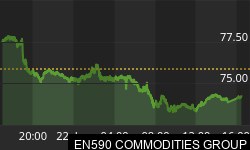
And now a new study has found that this tranche of EV makers are in greater danger of facing acute supply chain disruptions than previously thought.
Thestudyconducted by the Chinese Society for Environmental Sciences found that the global cobalt network is far more interconnected and vulnerable than previously assumed, and a single disruption in the cobalt supply chain would trigger a global ripple effect.
The cobalt market’s vulnerability is geographic bottlenecks.
The Democratic Republic of the Congo (DRC) dominates the global supply chain, and it’s about as fragile as they come.
Related: Greek Energy Pulls In $26B As Europe Scrambles To Replace Russian Gas DRC accounts for roughly 70% to 75% of the world's raw cobalt output, with supply lines in the Katanga and Lualaba Copperbelt highly vulnerable to strikes, geopolitical shifts and export caps.
Previously, wereportedthat DRC miners are aggressively pivoting away from cobalt and towards copper, driven by a surge in copper prices amid a global electricity drive, as well as global cobalt oversupply.
Unlike other primary commodities, roughly 94% of cobalt is produced as a byproduct of copper (50%) and nickel (44%) mining, with only about 6% coming from dedicated cobalt operations.
This means that cobalt mine production is mainly driven by the macroeconomics of copper and nickel prices instead of direct EV battery demand.
That means a crash in copper or nickel markets could choke off cobalt output.
| Product | Price | Change |
|---|---|---|
| Brent Crude | $102.14/bbl | +0.34% |
| WTI Crude | $96.90/bbl | +0.21% |
| EN590 Diesel | $846/MT | +0.18% |
| Jet Fuel A-1 | $1090/MT | +0.55% |
| Mazut M100 | $450/MT | -0.15% |
| Bitumen 60/70 | $470/MT | +0.08% |
| Sulphur Gran 99.5% | $470/MT | -0.44% |
| Urea 46% Gran | $650/MT | +1.12% |
| NPK 16-16-16 | $460/MT | -0.28% |
| Nat Gas TTF | $15.42/MMBtu | +0.92% |
Comments
Post a Comment