Guyana Emerges as an Oil Winner in the Iran War
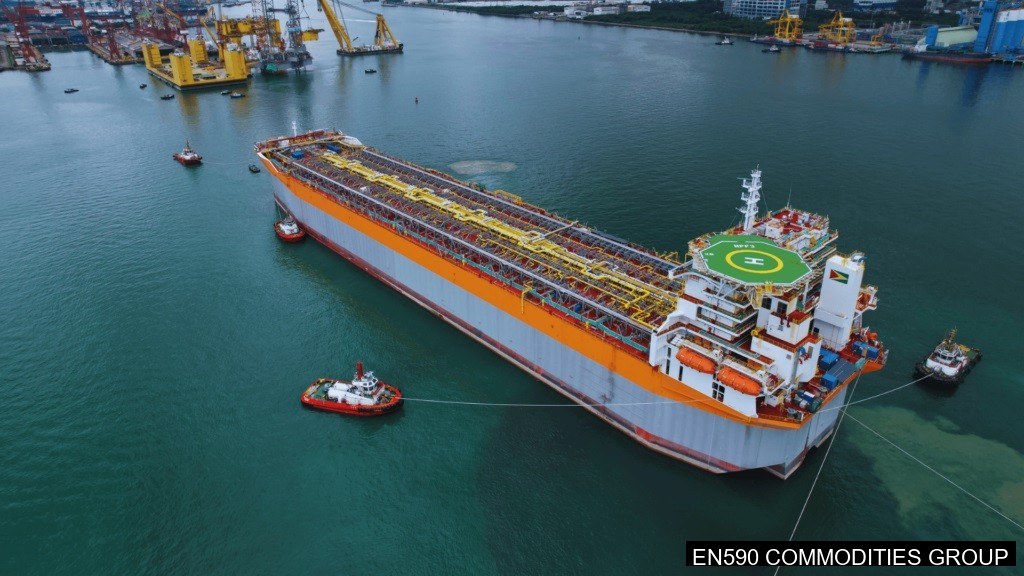
Goldman Sachs Sees Strong Refining Profits Through 2026 Amid Fuel Supply Crunch What I Cover Tsvetana Paraskova is an energy and commodities journalist who has contributed to Oilprice.com for nearly a decade, covering global energy markets, commodities,… In just seven years, Guyana has become one of the fastest-growing oil exporters and global economies and an oil-producing powerhouse with nearly 1 million barrels per day of production capacity.
And the war in Iran is only turning up the heat even more.
Since ExxonMobil launched production from the offshore Stabroek block in 2019, Guyana’s economy has quadrupled.
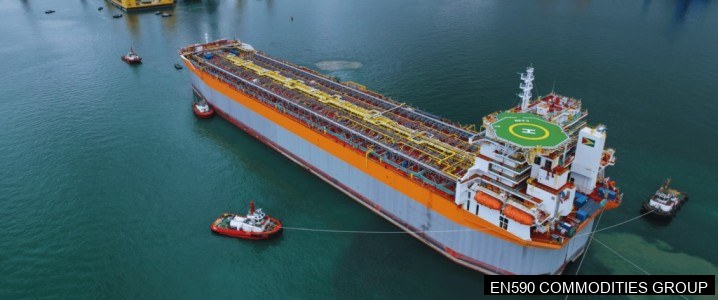
Oil revenues and royalties have boosted income for the state coffers and gross domestic product (GDP) linked with oil-related activities.
Now Guyana, which was one of the poorest South American countries and has fewer than 1 million citizens, is poised to materially increase its oil revenues and its position on the global oil map as the war in Iran has hiked international oil prices and has buyers scrambling for crude from outside the Middle East region.
Guyana, of course, is not out of the woods yet as regards the so-called resource curse, typical of many new resource hotspots which have tended to waste through the decades the opportunities their natural resources – oil, gas, metals, or minerals – have offered to their economies.
The country looks to boost local content contracting in oil-related activities, including catering, hospitality, and other services.
It will also soon start to receive a larger share of royalties from the Exxon-led consortium, which is currently pumping all of the country’s oil.
After starting up its fourth project known as Yellowtail last year, the Exxon-led consortium operating Guyana’s Stabroek block hit900,000 barrels per day(bpd) of oil production.
Production capacity from eight developments is expected to reach 1.7 million bpd by 2030. Exxon has estimated that the gross recoverable resource for the Stabroek Block is nearly 11 billion oil equivalent barrels.
In the first half of 2026, “We delivered record production, continued strong reliability, and have Uaru, Whiptail, and Hammerhead projects under construction, with Uaru expecting first oil late this year,” Exxon’s CEO Darren Woods said on theQ1 earnings call, referring to the Guyana operations.
The Stabroek co-venturers have so far committed more than $60 billion to develop seven government-sanctioned projects on Guyana’s offshore Stabroek block.
| Product | Price | Change |
|---|---|---|
| Brent Crude | $102.14/bbl | +0.34% |
| WTI Crude | $96.90/bbl | +0.21% |
| EN590 Diesel | $846/MT | +0.18% |
| Jet Fuel A-1 | $1090/MT | +0.55% |
| Mazut M100 | $450/MT | -0.15% |
| Bitumen 60/70 | $470/MT | +0.08% |
| Sulphur Gran 99.5% | $470/MT | -0.44% |
| Urea 46% Gran | $650/MT | +1.12% |
| NPK 16-16-16 | $460/MT | -0.28% |
| Nat Gas TTF | $15.42/MMBtu | +0.92% |
Comments
Post a Comment