Qatar Races to Restore LNG Exports Despite Ras Laffan Setback
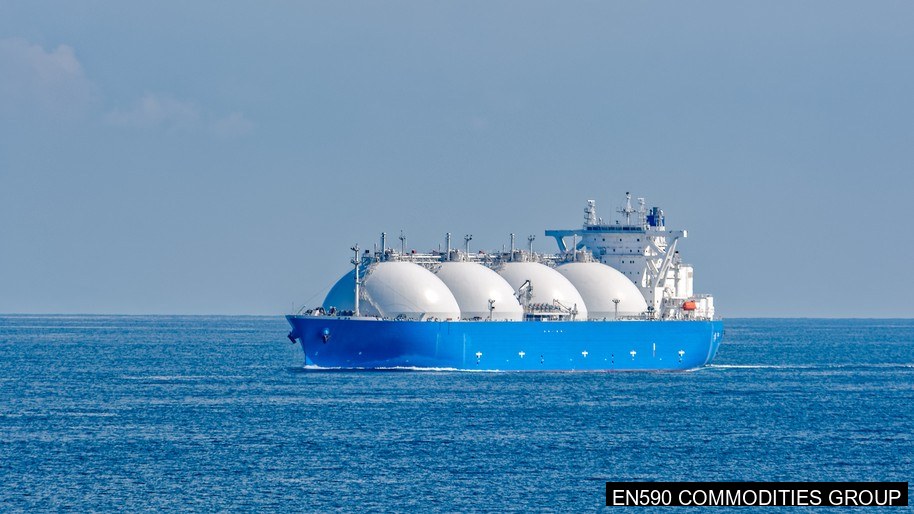
Qatar Races to Restore LNG Exports Despite Ras Laffan Setback What I Cover Irina Slav has been writing about global energy markets since 2007, covering the oil and gas industry, energy security, commodities, and the… Qatar is calling back empty LNG carriers in preparation for the restart of exports despite ongoing repairs at the Ras Laffan complex, and an explosion thatrockedthe facility on Sunday.
Three carriers for liquefied gas owned by QatarEnergy are heading towards the entrance to the Strait of Hormuz from the Gulf of Oman, Bloombergreported, citing shipping data.
The data also showed another five Qatari-linked LNG tankers near the Omani coast, and a few more that are on their way home.
Qatar has been eager to restart its LNG exports, after declaring force majeure following Iranian strikes on the Ras Laffan complex in the early days of the war with the United States and Israel.
State firm QatarEnergy, which curtailed LNG output in early March before an LNG facility was hit by Iranian missiles in mid-March, last weektoldits customers that it could restore about 50% of its production capacity within a month after safe navigation through the Strait of Hormuz is restored.
Within two months, Qatar could return 80% of its capacity, according to unnamed sources who spoke to Bloomberg.
This, however, hinges on the return of tanker traffic to pre-war levels, which remains highly uncertain, despitereportsof progress made at the peace talks between the United States and Iran in Switzerland.
It appears the main sticking point right now is Israel’s incursion into Lebanon, which Iran wants stopped, while Israel has repeatedly signaled it considers this a defensive operation, with no plans to stop the bombing.
The situation suggests it may be a while until traffic in the Strait of Hormuz returns to pre-war levels, both in crude oil and liquefied gas.
QatarEnergy expects the damage to the Ras Laffan LNG complex, the world’s single largest LNG-producing facility, to cost it about $20 billion per year in lost revenue and to take up to five years to repair.
Iraq Is Keeping Its Syria Oil Route—Even If Hormuz Reopens What I Cover Irina Slav has been writing about global energy markets since 2007, covering the oil and gas industry, energy security, commodities, and the… Oil Prices Jump After U.S.
Strikes Iranian Missile Sites Oil Prices Plunge as U.S.
| Product | Price | Change |
|---|---|---|
| Brent Crude | $102.14/bbl | +0.34% |
| WTI Crude | $96.90/bbl | +0.21% |
| EN590 Diesel | $846/MT | +0.18% |
| Jet Fuel A-1 | $1090/MT | +0.55% |
| Mazut M100 | $450/MT | -0.15% |
| Bitumen 60/70 | $470/MT | +0.08% |
| Sulphur Gran 99.5% | $470/MT | -0.44% |
| Urea 46% Gran | $650/MT | +1.12% |
| NPK 16-16-16 | $460/MT | -0.28% |
| Nat Gas TTF | $15.42/MMBtu | +0.92% |
Comments
Post a Comment