The Hormuz Threat Oil Markets Are Ignoring
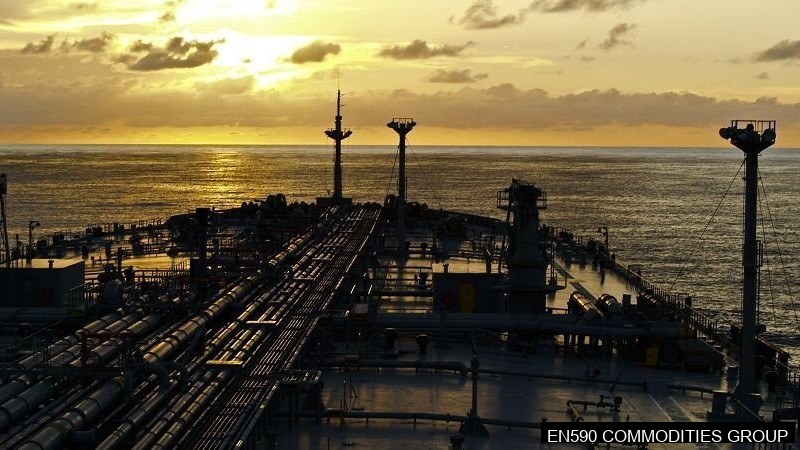
Greek Energy Pulls In $26B As Europe Scrambles To Replace Russian Gas Shipping companies remain cautious about… What I Cover Irina Slav has been writing about global energy markets since 2007, covering the oil and gas industry, energy security, commodities, and the… Threats from President Trump to bomb Iran again and Iranian negotiators leaving the talks in Switzerland once again clouded the outlook for one of the world’s busiest oil chokepoints.
Talks are progressing, but the degree of uncertainty about global oil supply security remains high—because of the risk environment in the strait, of which most appear to be oblivious.Social media users have started calling Hormuz the Strait of Schrodinger, and with good reason.
It is not only about whether the passage of vessels is unobstructed by Iranian forces or a U.S.
It is about shippers, insurers, and other stakeholders in an oil shipment being able to track that passage, energy analytics firm Kpler wrote in a recentanalysisof the situation that puts the risk context of the U.S.-Israel war with Iran in the spotlight.
Most of the media and analyst coverage of developments in the Strait of Hormuz has focused on a rather simplified narrative centered on the binary of open/closed.
However, Kpler trade risk analyst Ana Subasic wrote last week, this is misleading because there is a lot more than that at play.
An oil cargo needs to be tracked in a reliable manner along its voyage for reasons related to insurance and sanctions compliance.
“A vessel may be able to transit the Strait,” Subasic wrote.
“But if its movement cannot be reliably observed, because GNSS spoofing has degraded or manipulated its positioning data, then its voyage record is compromised.
Voyage reconstruction becomes contested.” Related: Hormuz Crisis Sparks a Middle East Pipeline Boom All this is essential for everyone involved in an oil cargo trade, and all of this appears to be largely ignored by the market generally, as media reports focus on the simplistic open/closed narrative that drives prices on the futures market.
On the physical market, however, all of the above matters a lot more than the words “open” or “closed”, as evidenced by the often substantial differences we have witnessed between futures prices and physical delivery prices.
And it seems the situation is about to become even more complicated.


| Product | Price | Change |
|---|---|---|
| Brent Crude | $102.14/bbl | +0.34% |
| WTI Crude | $96.90/bbl | +0.21% |
| EN590 Diesel | $846/MT | +0.18% |
| Jet Fuel A-1 | $1090/MT | +0.55% |
| Mazut M100 | $450/MT | -0.15% |
| Bitumen 60/70 | $470/MT | +0.08% |
| Sulphur Gran 99.5% | $470/MT | -0.44% |
| Urea 46% Gran | $650/MT | +1.12% |
| NPK 16-16-16 | $460/MT | -0.28% |
| Nat Gas TTF | $15.42/MMBtu | +0.92% |
Comments
Post a Comment