U.S.-Iran Deal Doesn’t Mean a Swift Return of Oil and Gas Flows
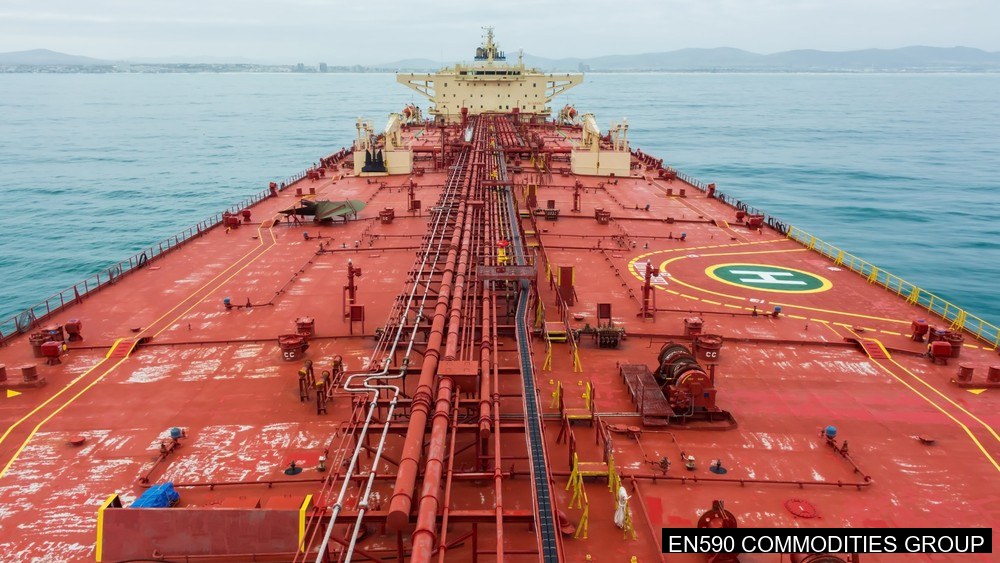
Japanese Shipping Companies Hold Back Despite Hormuz Deal What I Cover Tsvetana Paraskova is an energy and commodities journalist who has contributed to Oilprice.com for nearly a decade, covering global energy markets, commodities,… The U.S.-Iran deal and the potentially imminent reopening of the Strait of Hormuz do not mean that oil and gas trade will quickly return to its previous levels.
Theannouncementof the deal is just the first step, and it could take months for oil and gas shipments in the region to return to pre-war levels.
Middle Eastern producers have been forced to shut in more than 10 million barrels per day of oil production since the Strait of Hormuz was closed three and a half months ago.
Producers will need months to fully ramp up wells to previous output levels, while the status of the Strait of Hormuz – even if it re-opens on Friday as expected – is still unclear.
“We don’t know what open means or what the speed of evacuation of trapped material is going to be,” Daniel Sternoff, senior fellow at the Center on Global Energy Policy at Columbia University,told APlate on Sunday.
Some producers like Saudi Arabia and the United Arab Emirates would be quicker to restore output compared to Iraq, for example, which had to curtail the highest proportion of its production due to its inability to move the crude out of its southern fields through Basrah.
“Places like Iraq could be much more challenged because they’ve had a much bigger shut-in, their fields are more difficult,” Alan Gelder, senior vice president of refining, chemicals, and oil markets at Wood Mackenzie, said.
“It may well take about a year before they get back,” the expert told AP.
At the end of May, WoodMac’s analystssaidthat assuming operators choose a measured and controlled ramp-up, the fields affected by the Strait of Hormuz closure could get back to 70% of prior production within three months and to 90% within six months.
The last 1 million bpd or so will take considerably longer, according to the energy consultancy.
According to Ole Hansen, head of commodity strategy atSaxo Bank, “The speed at which supply chains normalise and export flows recover will also play a key role in determining how much of the geopolitical risk premium remains embedded in the market.” Already, some shipping companies havemade it clearthat they will wait until the deal is formalized on Friday before attempting to cross the Strait.
Even for shipowners who are willing to make the crossing, organizing insurance and other practical issues could further delay the recovery.
| Product | Price | Change |
|---|---|---|
| Brent Crude | $102.14/bbl | +0.34% |
| WTI Crude | $96.90/bbl | +0.21% |
| EN590 Diesel | $846/MT | +0.18% |
| Jet Fuel A-1 | $1090/MT | +0.55% |
| Mazut M100 | $450/MT | -0.15% |
| Bitumen 60/70 | $470/MT | +0.08% |
| Sulphur Gran 99.5% | $470/MT | -0.44% |
| Urea 46% Gran | $650/MT | +1.12% |
| NPK 16-16-16 | $460/MT | -0.28% |
| Nat Gas TTF | $15.42/MMBtu | +0.92% |
Comments
Post a Comment