Why the Next Billion Barrels of Oil Demand Could Come From Storage
What I Cover Tsvetana Paraskova is an energy and commodities journalist who has contributed to Oilprice.com for nearly a decade, covering global energy markets, commodities,… The closure of the Strait of Hormuz and the stranding of more than 10 million barrels per day (bpd) of crude oil in the Persian Gulf was a wake-up call for import-dependent countries to expand their capacity to hold strategic and commercial reserves.
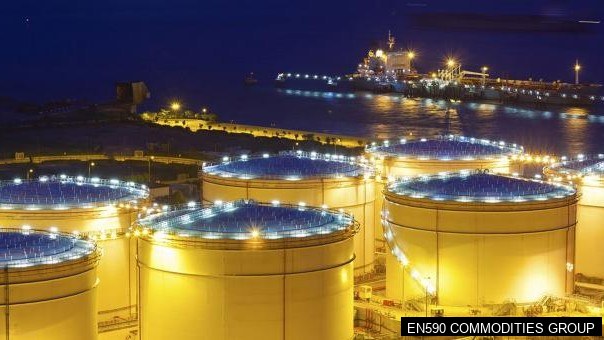
Many countries, especially in the Asia Pacific, are looking to build new reserve capacity to boost their energy security and never again be caught off-guard by a massive supply disruption like the one triggered by the closure of the most important oil and LNG chokepoint.
From India to Australia, energy importers are looking to expand capacity to hold crude and fuel reserves to be better prepared for the next energy crisis, which, in this fragmented geopolitical situation, is a matter of when, rather than if.
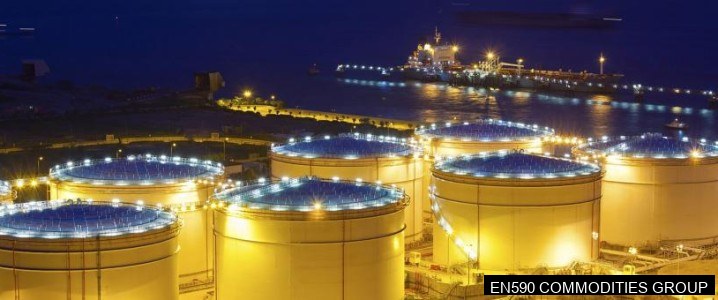
Major oil producers are also considering expanding their global reserve sites to be able to sell their crude when the next flare-up closes a critical chokepoint.
Before the Iran war, few policymakers and analysts expected the Strait of Hormuz to ever become inaccessible for tanker traffic.
Oil importers had become complacent that, despite the tinderbox the Middle East has always been, the Strait of Hormuz has never been closed before.
But here we are now—nearly four months of stalled traffic and uncertainty about how fast and how smooth the reopening will be have resulted in an energy crisis in Asia, depleted the U.S.
Strategic Petroleum Reserve (SPR) to a 1983 low, and pushed stocks at Cushing, the delivery point of WTI, to the operational-stress level of just 20 million barrels.
Related: Saudi Arabia’s Decided Who Its Future Superpower Partner Is, And It’s Not the US Expanded reserve capacity could help cushion the blow in the next supply shock, whenever it occurs, softening the price spike impact in a future crisis.
On the other hand, expanded capacities will need hundreds of millions of barrels of crude and fuels to fill them, creating additional demand in the near to medium term and putting a floor under oil prices.
India, Singapore, Australia, and Pakistan are all looking to boost their reserves capacities to avoid crises in the future.
All storage plans aired in recent months could need about 500 million barrels of crude and fuels to fill the new capacities, according toReuters calculations.


| Product | Price | Change |
|---|---|---|
| Brent Crude | $102.14/bbl | +0.34% |
| WTI Crude | $96.90/bbl | +0.21% |
| EN590 Diesel | $846/MT | +0.18% |
| Jet Fuel A-1 | $1090/MT | +0.55% |
| Mazut M100 | $450/MT | -0.15% |
| Bitumen 60/70 | $470/MT | +0.08% |
| Sulphur Gran 99.5% | $470/MT | -0.44% |
| Urea 46% Gran | $650/MT | +1.12% |
| NPK 16-16-16 | $460/MT | -0.28% |
| Nat Gas TTF | $15.42/MMBtu | +0.92% |
Comments
Post a Comment