Greece Exposes the Limits of Europe's Russia Energy Sanctions
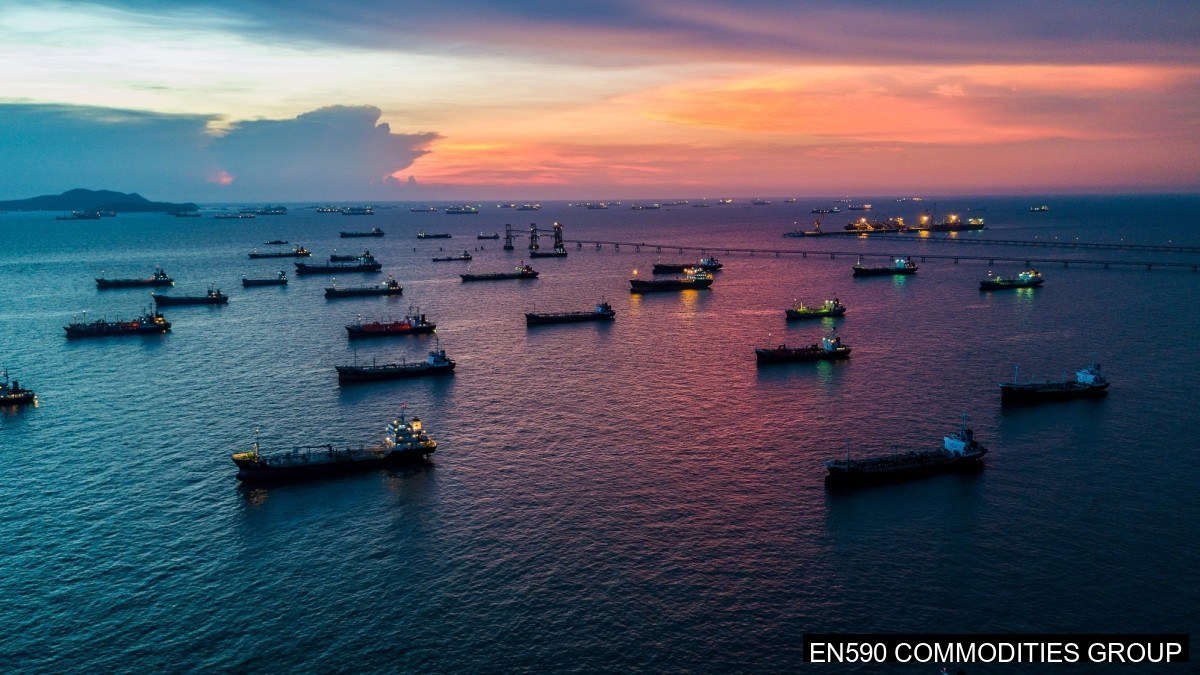
India’s Fuel Exports Set to Soar in July as Refining Margins Jump Cyril Widdershoven is a senior maritime, energy, and geopolitical analyst and Senior Advisor at Blue Water Strategy, specialising in the strategic intersection of shipping, ports,… Despite sanctions, Russian oil and LNG have been redirected to markets such as China, India, and Turkey, highlighting the resilience of global shipping networks.
The last EU agreement about the latest sanctions package against Russia is being presented by Brussels as another demonstration of European unity and determination to sustain economic pressure on the Kremlin.
Since February 2022, sanctions have been one of the EU's principal strategic instruments, targeting Russian banking, technology, defense industries and increasingly Russia’s energy sector.
However, the negotiations surrounding the latest package have now revealed that Europe continues to face an uncomfortable dilemma.
Brussels needs to confront the question: “How far can it tighten sanctions before they begin to undermine its own commercial strengths?” This has now come sharply into focus during discussions over Russian liquefied natural gas (LNG).
As expected by some, Greece, supported by its position as one of the world's largest maritime nations, hasurgedthat restrictions affecting LNG shipping should be carefully calibrated to avoid damaging the competitiveness of European shipping companies while doing little to reduce Russia's export revenues.
Brussels’s compromise has now included a temporary exemption for certain shipping activities related to Russian LNG destined for third countries.
With this compromise, the EU is allowed to move the wider sanctions package forward.
While politically necessary to secure agreement among all member states, the last discussions and negotiations have now highlighted the increasingly difficult balance between geopolitical objectives and commercial realities.Related: Equinor CEO: Europe May Miss Winter Gas Storage Goal The debate is significant, as it not only goes well beyond one exemption or one member state, but it also has now exposed to the public (and to Moscow) a broader structural issue within Europe's sanctions strategy.
At present, European public discussions mainly have been focused on imports, how much Russian oil or gas Europe continues to buy, how dependence has fallen since 2022, or how energy diversification has progressed.
The real issue at present, which has now come into the open, should be that attention should be paid to the infrastructure that enables Russian hydrocarbons to reach customers elsewhere in the world.
In a globally interconnected energy market, as stated before, hydrocarbon production only creates value if they can be transported to buyers.

| Product | Price | Change |
|---|---|---|
| Brent Crude | $102.14/bbl | +0.34% |
| WTI Crude | $96.90/bbl | +0.21% |
| EN590 Diesel | $846/MT | +0.18% |
| Jet Fuel A-1 | $1090/MT | +0.55% |
| Mazut M100 | $450/MT | -0.15% |
| Bitumen 60/70 | $470/MT | +0.08% |
| Sulphur Gran 99.5% | $470/MT | -0.44% |
| Urea 46% Gran | $650/MT | +1.12% |
| NPK 16-16-16 | $460/MT | -0.28% |
| Nat Gas TTF | $15.42/MMBtu | +0.92% |
Comments
Post a Comment