How the UAE Has Kept Its Oil Flowing Through Hormuz
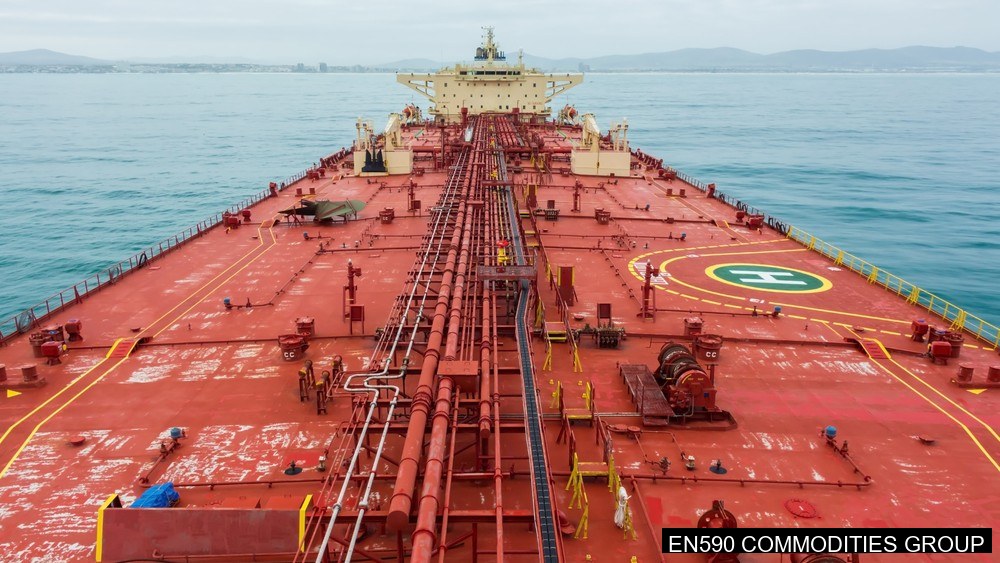
How the UAE Has Kept Its Oil Flowing Through Hormuz What I Cover Tsvetana Paraskova is an energy and commodities journalist who has contributed to Oilprice.com for nearly a decade, covering global energy markets, commodities,… The United Arab Emirates has managed to boost its oil exports to pre-crisis levels as early as June, as it has kept pushing crude through the Strait of Hormuz and outside it.
The UAE, which left OPEC on May 1, has found workarounds to the blockage at the Strait of Hormuz.
It has been shuttling crude through the chokepoint to load it on larger vessels outside the Strait, maximizing the use of its onshore pipeline to ship crude from the west to the east of the country, bypassing Hormuz, and shipping tankers through the Strait in dark mode.
The UAE has managed to ship over June and July the most crude oil out of the Strait of Hormuz than any other Gulf producer, according to vessel-tracking data compiled byBloomberg.
The UAE has also issued an unprecedented number of tenders to sell cargoes of millions of barrels of crude oil in recent weeks.
At the end of July, Abu Dhabi National Oil Company ADNOCissued its seventh tenderoffering crude from the United Arab Emirates since the beginning of June, expecting to sell millions of barrels of oil between August and October, both from within and outside the Persian Gulf.
ADNOC was offering cargo loadings from the UAE ports Zirku and Das Island inside the Persian Gulf, as well as the port of Fujairah outside the Gulf, or via ship-to-ship transfers offshore Fujairah or Malaysia.
The UAE is estimated to have produced 4.1 million barrels per day (bpd) of crude oil in June,its highest output ever.
The UAE’s crude oil production jumped from 3.3 million bpd in May to 4.1 million bpd in June after the country left OPEC effective May 1, started raising output, and managed to sneak a lot of exports out of the Middle East even as the Strait of Hormuz was mostly blockaded for the first half of June, according to estimates by the International Energy Agency (IEA).
The UAE has sought to adapt to the closure of the Strait of Hormuz by sneaking tankers in dark mode through the Strait and increasingly offering to sell many of its crude grades for loading offshore Fujairah and at Sohar in Oman, outside the Strait.
China’s Top Refiner Pivots to Russian Crude What I Cover Tsvetana Paraskova is an energy and commodities journalist who has contributed to Oilprice.com for nearly a decade, covering global energy markets, commodities,… Exxon and Chevron’s $26.5 Billion Quarter Draws Trump’s Ire Hormuz Draft Agreement Reportedly Awaits Khamenei Approval Iran Sneaks 12 Million Barrels Past Renewed U.S.
Oil Blockade US Crude Oil Inventories Build As Hormuz Shipping Headache Drags On US Crude Oil, Gasoline Inventories Still Falling The U.S.
| Product | Price | Change |
|---|---|---|
| Brent Crude | $102.14/bbl | +0.34% |
| WTI Crude | $96.90/bbl | +0.21% |
| EN590 Diesel | $846/MT | +0.18% |
| Jet Fuel A-1 | $1090/MT | +0.55% |
| Mazut M100 | $450/MT | -0.15% |
| Bitumen 60/70 | $470/MT | +0.08% |
| Sulphur Gran 99.5% | $470/MT | -0.44% |
| Urea 46% Gran | $650/MT | +1.12% |
| NPK 16-16-16 | $460/MT | -0.28% |
| Nat Gas TTF | $15.42/MMBtu | +0.92% |
Comments
Post a Comment