Russia Is Running Out of Soldiers, Oil, and Time
Ukraine’s Drone Campaign Drives Russian Oil Refining to 24-Year Low Simon Watkins is a former senior FX trader and salesman, financial journalist, and best-selling author.
He was Head of Forex Institutional Sales and Trading for… Over 1,600 days into Russian President Vladimir Putin’s 10-day special military operation and the situation for the Kremlin continues to deteriorate.
Since Moscow ordered its troops illegally into Ukraine on 24 February 2022, more than 450,000 of them have been killed, with another 1 million wounded or missing.
Ukraine’s extraordinary development of its own military -- including a stunning build-out of its drone capabilities -- now means Russian monthly casualties have reached the critical negative replacement rate -- meaning that there are more dead and wounded per month (over 30,000) than can be replaced through recruitment (around 27,000).
And there are now 8 Russian casualties for every 1 Ukrainian casualty, up from a ratio of roughly 3:1 earlier in the conflict.
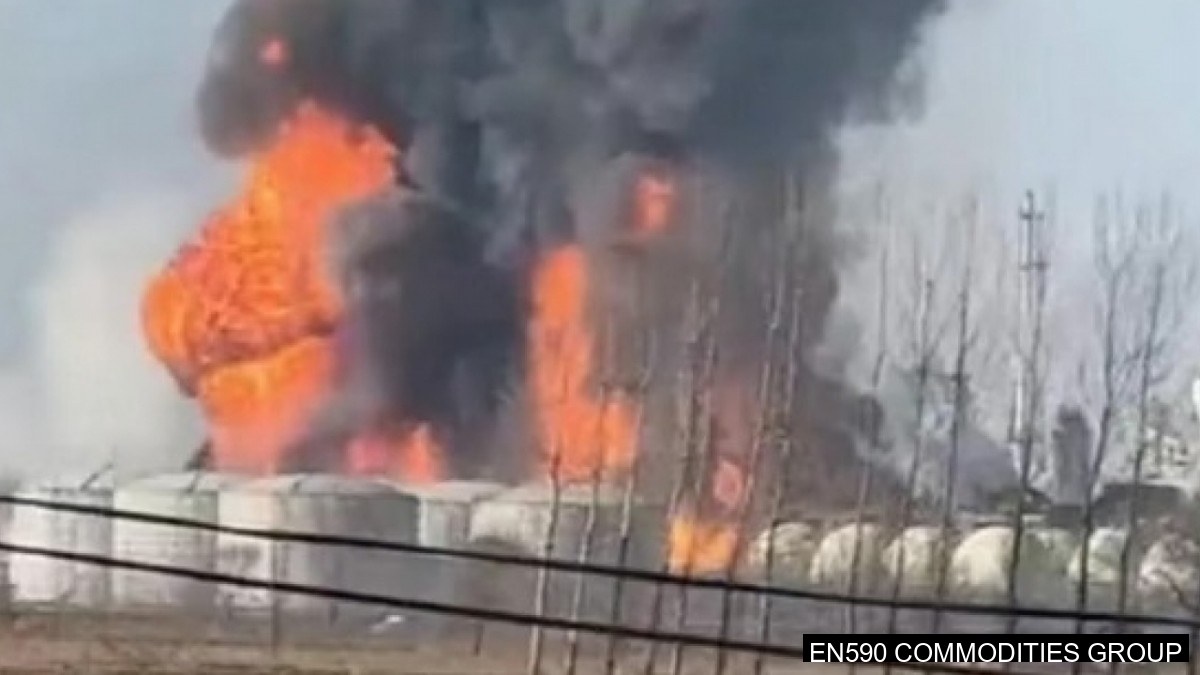
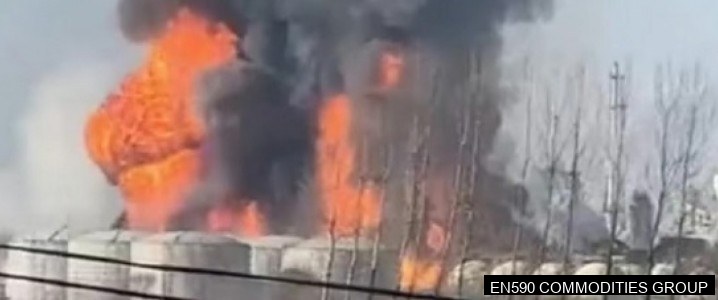
Adding to its self-inflicted woes, Russia’s key oil and gas infrastructure has been under sustained attack from Ukrainian drones since early 2024, followed by an even deeper, highly concentrated blitz that began in August 2025.
Since the start of 2026, Ukrainian drones have attacked Russian refineries at least 194 times, bringing total cumulative damage to nearly 43% of Russia’s entire operating refinery capacity.
As bad as this is for Putin’s war, things are set to become very much worse very soon.
Aside from a further tightening of the noose held by Ukraine over Crimea (illegally seized by Russia in 2014) in what is shaping up to be a textbook operation of asymmetric isolation and siege, and a further rolling bombardment of Russia’s vital oil and gas installations, the US and Europe have plans to push its economy into an outright crisis by the end of this year through swingeing new sanctions.
In Europe’s case, the European Union (EU) of 27 member countries agreed on 23 July in their 21stSanctions Package against Russia to freeze the oil price cap at the present level of US$44.10 per barrel for at least another year.
The EU cap affects Russian seaborne crude oil and petroleum products exported to third countries outside the EU, most notably China and India, as the EU has already banned all direct imports of Russian oil into its own borders.
This freeze paused an expected increase of more than US$10 per barrel that was likely to have resulted in the EU’s scheduled review this month from the floating calculation mechanism adopted by the bloc last year.


| Product | Price | Change |
|---|---|---|
| Brent Crude | $102.14/bbl | +0.34% |
| WTI Crude | $96.90/bbl | +0.21% |
| EN590 Diesel | $846/MT | +0.18% |
| Jet Fuel A-1 | $1090/MT | +0.55% |
| Mazut M100 | $450/MT | -0.15% |
| Bitumen 60/70 | $470/MT | +0.08% |
| Sulphur Gran 99.5% | $470/MT | -0.44% |
| Urea 46% Gran | $650/MT | +1.12% |
| NPK 16-16-16 | $460/MT | -0.28% |
| Nat Gas TTF | $15.42/MMBtu | +0.92% |
Comments
Post a Comment