The Hormuz Crisis Has Forever Changed the Economics of Energy Security
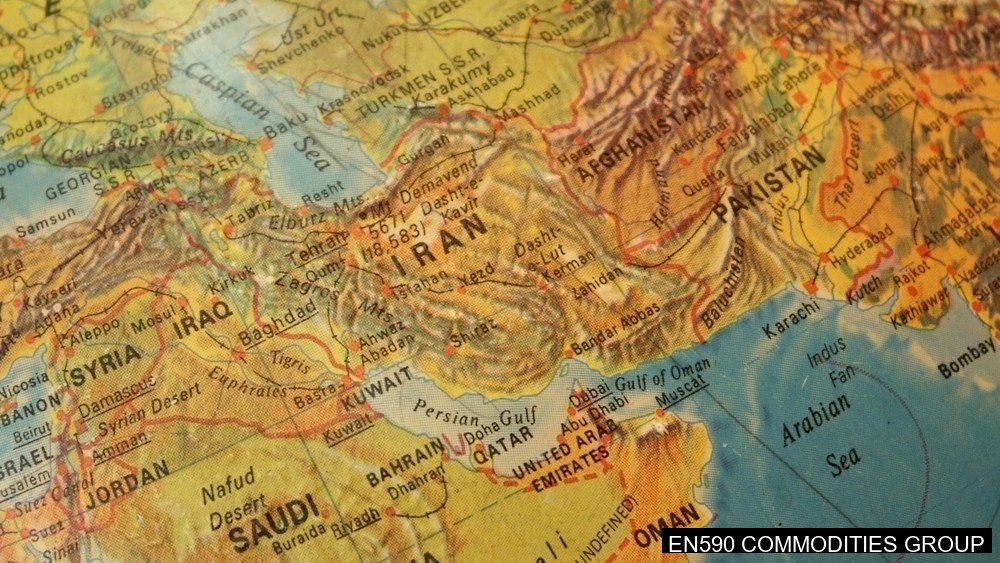
BofA: Hormuz Needs 10 Times More Ships to Stabilize Oil Markets Rystad Energy is an independent energy consulting services and business intelligence provider offering global databases, strategic advisory and research products for energy companies and suppliers,… Complex systems reveal their true characteristics only under stress.
Disturbance exposes assumptions that routine operation conceals and becomes the catalyst for adaptation.
Capital reassesses risk, governments reconsider policy, and markets establish a new equilibrium.
The resulting system may ultimately prove stronger than the one that preceded it, but it is never identical.
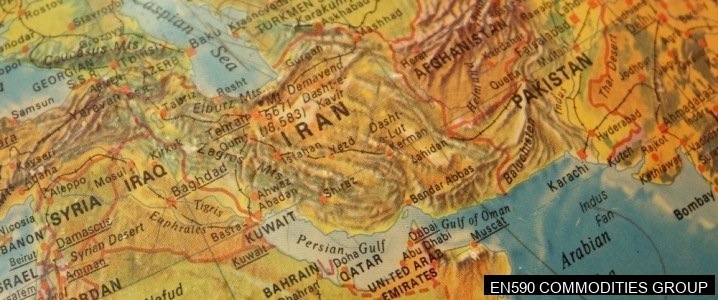
Recent developments surrounding the Strait of Hormuz provide one such moment.
Whether they ultimately prove to be a lasting geopolitical inflection point remains uncertain.
More immediately, they have challenged one of the assumptions upon which the modern energy system has long operated: that uninterrupted access through one of the world's most important energy corridors could largely be taken for granted.
If that assumption has begun to change, capital will respond as it always has.
That process will not diminish the enduring importance of the Gulf's extraordinary resource base, but it may begin to alter the way resilience is valued alongside geology and cost.
This new equilibrium is explained analogously by the Second Law of Thermodynamics – one of the foundational principles of physics, whose implications extend far beyond the natural sciences.
It states that ordered systems naturally progress toward disorder unless energy is continually invested to sustain them.
A wine glass resting intact on a table represents a highly ordered state.
| Product | Price | Change |
|---|---|---|
| Brent Crude | $102.14/bbl | +0.34% |
| WTI Crude | $96.90/bbl | +0.21% |
| EN590 Diesel | $846/MT | +0.18% |
| Jet Fuel A-1 | $1090/MT | +0.55% |
| Mazut M100 | $450/MT | -0.15% |
| Bitumen 60/70 | $470/MT | +0.08% |
| Sulphur Gran 99.5% | $470/MT | -0.44% |
| Urea 46% Gran | $650/MT | +1.12% |
| NPK 16-16-16 | $460/MT | -0.28% |
| Nat Gas TTF | $15.42/MMBtu | +0.92% |
Comments
Post a Comment