Chinese Solar Panels Drop to 12 Cents a Watt, Rooftop Installs Surge Worldwide
China Could Curb Fuel Exports as Diesel and Gasoline Stocks Sink Alex Kimani is a veteran finance writer, investor, engineer and researcher for Safehaven.com.
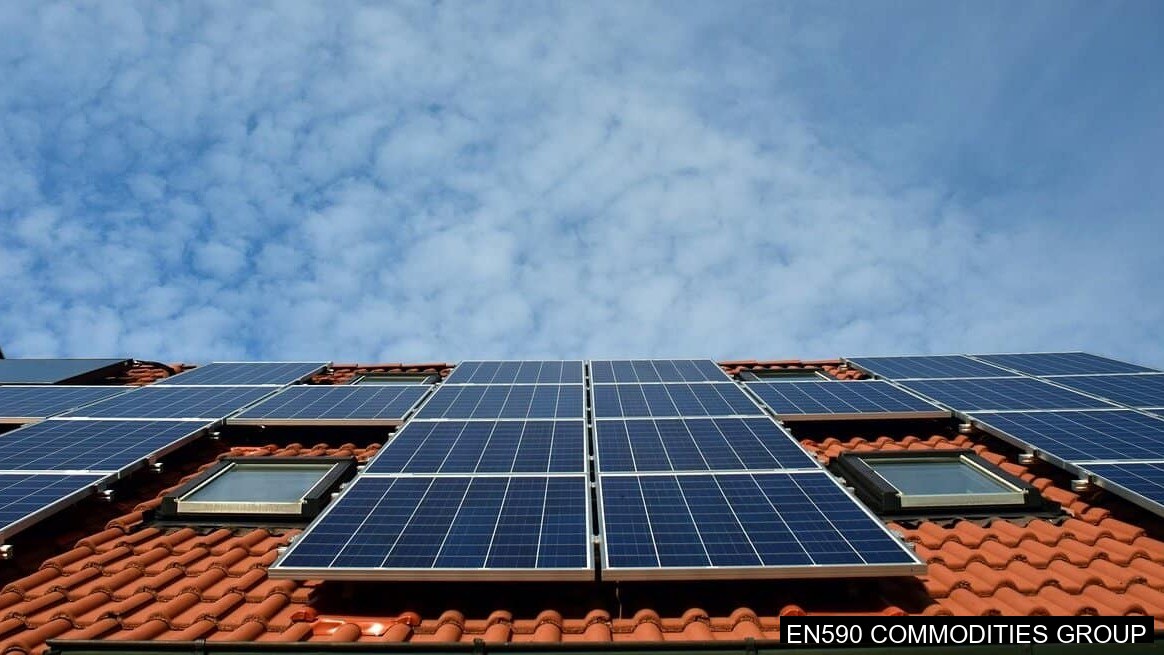
Chinese-made photovoltaic panels cost 12 cents a watt in 2026, down from $5-$6 at the turn of the millennium, and that price collapse is now powering rooftop solar installations from Pakistani cement plants to Philippine homes and Australian suburbs, according to the Financial Times.
A Pakistani cement giant has cut its power costs by up to 40% with solar at its production sites, and rooftop solar capacity in the Philippines has nearly doubled in a year.
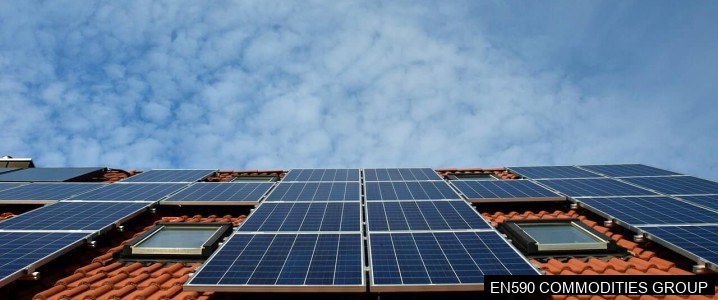
At the same time, Africa is on pace to install record gigawatts, and Australia has installed panels on more than 4 million homes.Previously,we reportedthat India is on track to become the first country ever to industrialize using solar energy instead of fossil fuels such as coal and oil, thanks to rapidly falling solar costs, generous government subsidies and favorable geographic factors.
Last year, Indiaaddeda record-breaking 44 GW of solar power, taking its installed solar capacity to 154 gigawatts withprojectionsthat solar will meet half of the country’s electricity demand growth through 2030.
However, India is hardly the only country that’s betting big on solar.
The wide availability of cheap Chinese photovoltaic panels is fueling the rapid rise of small-scale, individual power generation for homes, businesses and factories across the globe, in both developed and emerging economies.
Related: Saudi Arabia Discovers 110 Million Tonnes of Uranium-Bearing Ore Pakistan's Bestway Cement Limited, one of the country's largest cement manufacturers, is deploying ground-mounted solar farms across five production units to cut its reliance on Pakistan's unstable power grid.
At its Chakwal plant, 26 MW of installed photovoltaic capacity already generates over a quarter of the electricity powering the facility.
“It’s the only way we can compete,” says Abdul Waheed, GM at the Chakwal plant, according to theFinancial Times.“Our rivals have already gone in this direction.” The Chakwal facility produces over 3 million tonnes of cement per year.
Distributed solar is seeing major growth in regions where power is scarce, unreliable or expensive.
Emberestimatesthat rooftop solar capacity in the Philippines almost doubled over the 12 months to April, with residential solar panels now able to pay for themselves in just over three years.

| Product | Price | Change |
|---|---|---|
| Brent Crude | $102.14/bbl | +0.34% |
| WTI Crude | $96.90/bbl | +0.21% |
| EN590 Diesel | $846/MT | +0.18% |
| Jet Fuel A-1 | $1090/MT | +0.55% |
| Mazut M100 | $450/MT | -0.15% |
| Bitumen 60/70 | $470/MT | +0.08% |
| Sulphur Gran 99.5% | $470/MT | -0.44% |
| Urea 46% Gran | $650/MT | +1.12% |
| NPK 16-16-16 | $460/MT | -0.28% |
| Nat Gas TTF | $15.42/MMBtu | +0.92% |
Comments
Post a Comment