New York’s $75 Billion Climate Liability Law Faces an Uncertain Future
Macron Calls for Another Emergency Oil Release as Europe Loses Supply Kazakhstan is sharply increasing Russian… Felicity Bradstock is a writer and journalist based in Mexico City.
She writes for energy websites and covers several other industries, as well as writing… In 2024, New York Governor Kathy Hochul signed a law requiring large fossil fuel polluters to pay up to $75 billion in damages.
However, after two years, a federal judge has ruled that the law conflicts with federal law and cannot proceed.
The law that Hochul signed in December 2024 would have required companies that contribute heavily to fossil fuel pollution to pay to repair damage caused by extreme weather events, which have become increasingly common as global warming intensifies.
The law focuses on pollution produced by the combustion of fossil fuels.
A studypublished in 2025 in the journal Naturelinked more than 200 severe heat waves directly to carbon pollution from the world’s largest fossil fuel producers.
The legislation, known as theClimate Change Superfund Act, mandated that firms responsible for most of the accumulation of carbon emissions between 2000 and 2024 would pay around $3 billion a year for 25 years.
The legislation was based on the originalSuperfundlaw, established in 1980, which requires companies to pay for toxic waste cleanup activities following incidents such as oil and chemical spills.
Upon signing the law, Hochulstated, “With nearly every record rainfall, heat wave, and coastal storm, New Yorkers are increasingly burdened with billions of dollars in health, safety, and environmental consequences due to polluters that have historically harmed our environment.” The aim of the law was to reduce the burden on taxpayers by addressing the challenges that big corporations, particularly oil and gas companies, have played a major role in creating, with these companies producingover 1 billion tonsof greenhouse gas emissions globally over the 24-year period.
The funds wouldcontribute torestoring and protecting coastal wetlands; upgrading roads and bridges; improving stormwater drainage systems; elevating and retrofitting structures; and investing in recovery efforts from natural disasters.
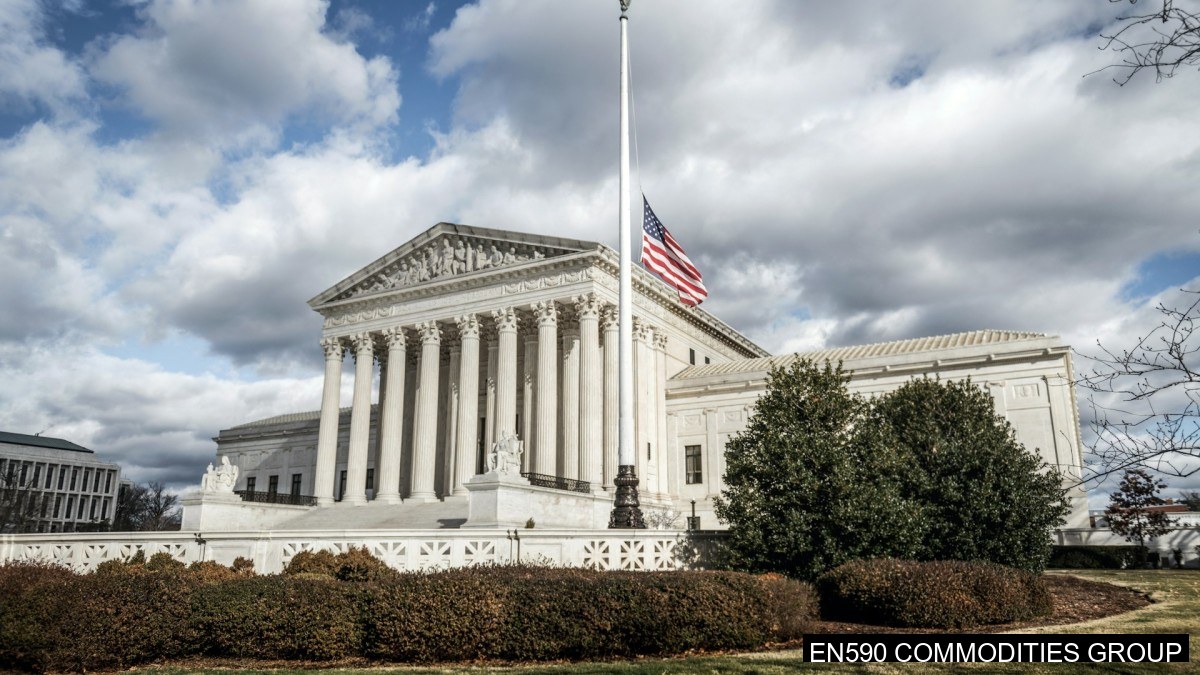
However, last month, a federal judge ruled that the New York law conflicted with federal law and therefore could not take effect.
The chief judge of the US District Court for the Northern District of New York, Brenda Sannes, ruled that the state could not enforce its “climate superfund” law in a 63-page decision deeming the law “unusual and sweeping”.


| Product | Price | Change |
|---|---|---|
| Brent Crude | $102.14/bbl | +0.34% |
| WTI Crude | $96.90/bbl | +0.21% |
| EN590 Diesel | $846/MT | +0.18% |
| Jet Fuel A-1 | $1090/MT | +0.55% |
| Mazut M100 | $450/MT | -0.15% |
| Bitumen 60/70 | $470/MT | +0.08% |
| Sulphur Gran 99.5% | $470/MT | -0.44% |
| Urea 46% Gran | $650/MT | +1.12% |
| NPK 16-16-16 | $460/MT | -0.28% |
| Nat Gas TTF | $15.42/MMBtu | +0.92% |
Comments
Post a Comment