The Oil Market’s Backup Plan Is Breaking Down

Japan's Refiners Have Enough Crude to Last Through November, Industry Body Says Robert Rapier is a chemical engineer in the energy industry.
He has 25 years of international engineering experience in the chemical, oil and gas, and… For decades, the biggest geopolitical risk hanging over the oil market has been the Strait of Hormuz.
Before the conflict in Iran began in late February, roughly one-fifth of the world’s petroleum liquids moved through the narrow waterway separating Iran from Oman, making it the most important oil chokepoint in the world.
Now that traffic through Hormuz has been severely disrupted, Gulf producers have increasingly relied on the limited alternatives available to keep oil moving.
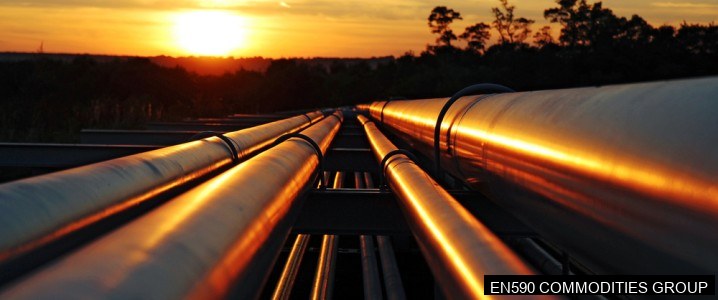
For Saudi Arabia, the most important of those alternatives is the East-West Pipeline, which carries crude across the Arabian Peninsula to the Red Sea.
Now that escape route is under attack as well.
Drone strikes forced Saudi Arabia to shut the pipeline after it had been moving roughly 4 million barrels per day to the Red Sea port of Yanbu, equivalent to about 4% of global oil supply.Reuters reportsthat available inventories at Yanbu may be sufficient to maintain recent exports for only five to seven days if pipeline operations do not resume.
Repair estimates vary considerably, with one industry source suggesting a full restoration could take five to six weeks, although partial operations might resume sooner.
Iran-aligned Houthi forces have advanced along Yemen’s Red Sea coast and reached Perim Island, which sits in the Bab el-Mandeb Strait at the southern entrance to the Red Sea.The latest Houthi advanceputs them in a stronger position to threaten another of the world’s critical energy corridors at exactly the time Saudi Arabia is relying more heavily on Red Sea exports.
The primary route around Hormuz now leads toward a second chokepoint facing its own escalating security risk.
Under normal conditions, the Strait of Hormuz carries an extraordinary concentration of global energy trade.EIA data showthat oil flows through Hormuz averaged 20.9 million barrels per day during the first half of 2025, equivalent to about 20% of global petroleum liquids consumption.
Saudi Arabia and the United Arab Emirates have pipelines capable of bypassing the strait, but EIA estimates that together they could provide only about 4.7 million barrels per day of bypass capacity.

| Product | Price | Change |
|---|---|---|
| Brent Crude | $102.14/bbl | +0.34% |
| WTI Crude | $96.90/bbl | +0.21% |
| EN590 Diesel | $846/MT | +0.18% |
| Jet Fuel A-1 | $1090/MT | +0.55% |
| Mazut M100 | $450/MT | -0.15% |
| Bitumen 60/70 | $470/MT | +0.08% |
| Sulphur Gran 99.5% | $470/MT | -0.44% |
| Urea 46% Gran | $650/MT | +1.12% |
| NPK 16-16-16 | $460/MT | -0.28% |
| Nat Gas TTF | $15.42/MMBtu | +0.92% |
Comments
Post a Comment