LNG Shipments Through Hormuz Hit Highest Level Since Iran War Began
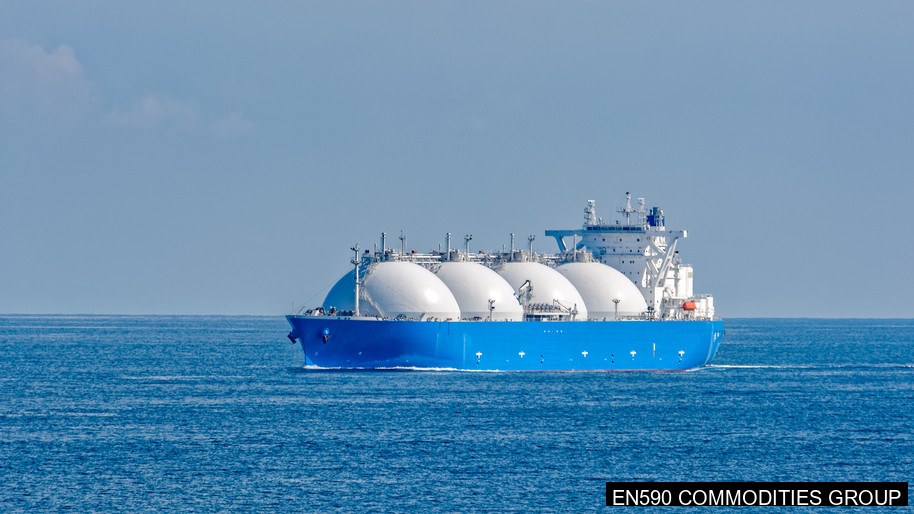
G7 Moves to Release 100 Million Barrels to Counter Diesel Crisis A total of 21 LNG cargoes are estimated to have exited the Strait of Hormuz in September, the highest monthly number since the Iran war began, yet well below pre-war levels, shipping data compiled byReutersshowed on Friday.
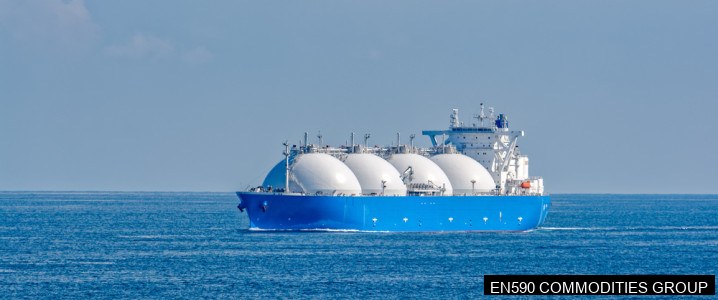
Shipment analytics firm Kpler has estimated that 21 cargoes managed to squeeze last month through the chokepoint, which handled one fifth of global LNG supply before the war.
This week, three Qatari LNG cargoes from Ras Laffan reappeared outside the Strait of Hormuz, according to vessel-tracking data by LSEG and Kpler.
In pre-war times,three LNG cargoes per daywere regularly exiting the Strait of Hormuz.
Most LNG carriers are traveling in dark mode through Hormuz, making tracking trickier than ever and further complicating estimates about flows and global supply balances.
Qatari and UAE cargoeshave managed to transitthe Strait of Hormuz in recent weeks, but volumes are too low to move the needle of the global LNG balance.
Even as crude oil cargoes have been pushing through the Strait with millions of barrels per day every day, LNG cargoes have struggled to transit the chokepoint as the gas is trickier to reload in ship-to-ship (STS) transfers than oil.
The choked LNG flows from the Middle East in the past six months sent September gas prices in Asia and Europe to thehighest since the 2022-2023energy crisis, as buyers are competing for available supply that doesn’t need to move through the Strait of Hormuz.
This week, Qatarextended the force majeureon LNG deliveries to Asia and Europe by another month through the end of November, as LNG cargo traffic through the Strait of Hormuz remains largely blocked amid the protracted U.S.-Iran stalemate over the chokepoint and pathways to end the war.
Concerns are growing that severely reduced LNG flows from the Middle East would complicate winter gas supply for Europe and Asia, especially if winters are colder than usual.
WTI Whipsaws as Gulf Supply Improves and Middle East Risk Returns Why WTI Is Suddenly Trading $12 Below Brent Iran’s Disappearing Oil Is Becoming Everyone’s Problem World's Tallest Dam Project Gets New Life With Fresh World Bank Funding Middle East Oil Exports Stage a Remarkable Comeback Iran Talks Take the Heat Out of the Oil Rally The materials provided on this Web site are for informational and educational purposes only and are not intended to provide tax, legal, or investment advice.
Nothing contained on the Web site shall be considered a recommendation, solicitation, or offer to buy or sell a security to any person in any jurisdiction.


| Product | Price | Change |
|---|---|---|
| Brent Crude | $102.14/bbl | +0.34% |
| WTI Crude | $96.90/bbl | +0.21% |
| EN590 Diesel | $846/MT | +0.18% |
| Jet Fuel A-1 | $1090/MT | +0.55% |
| Mazut M100 | $450/MT | -0.15% |
| Bitumen 60/70 | $470/MT | +0.08% |
| Sulphur Gran 99.5% | $470/MT | -0.44% |
| Urea 46% Gran | $650/MT | +1.12% |
| NPK 16-16-16 | $460/MT | -0.28% |
| Nat Gas TTF | $15.42/MMBtu | +0.92% |
Comments
Post a Comment