The Iran War Just Added $39 Billion to the World's LNG Bill
Egypt Votes to Defend Saudi Arabia, Risking Houthi Fire Europe's electricity demand is rebounding… Rystad Energy is an independent energy consulting services and business intelligence provider offering global databases, strategic advisory and research products for energy companies and suppliers,… The Middle East conflict has disrupted global energy flows, forcing countries to rethink supply routes and strengthen energy security.
As more buyers turn to the spot market to replace disrupted volumes, Rystad Energy estimates that global LNG importers will spend at least $39 billion more on contracted and spot supplies in 2026, despite purchasing 60.7 million tonnes less.
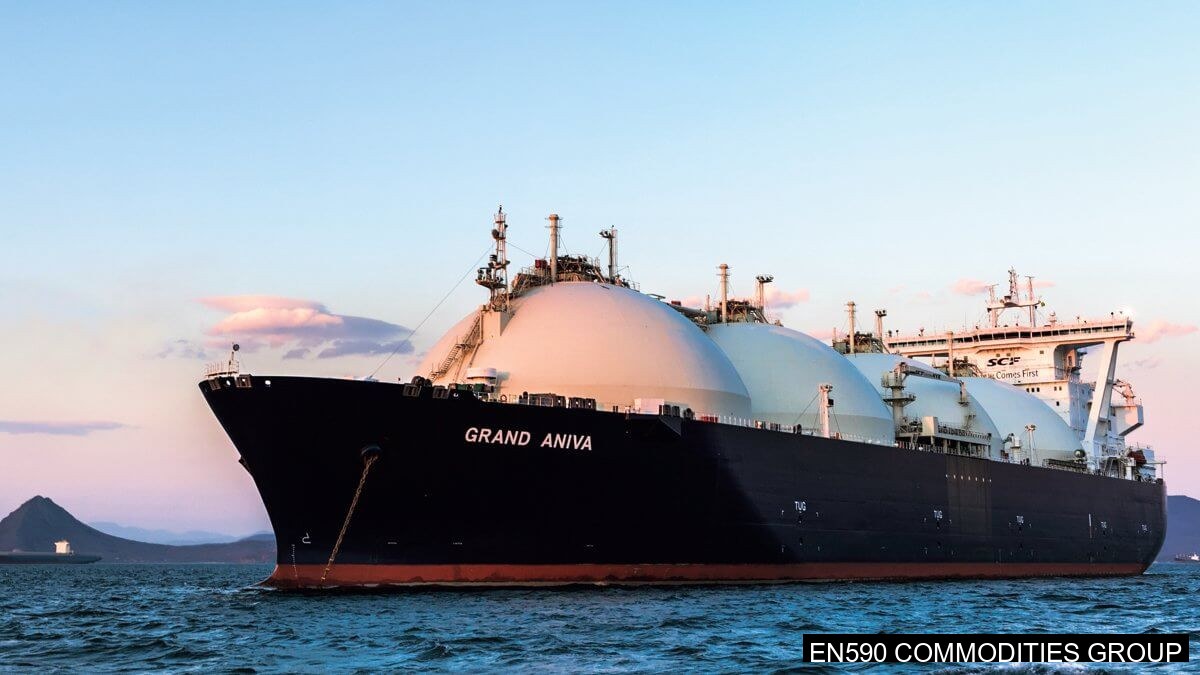
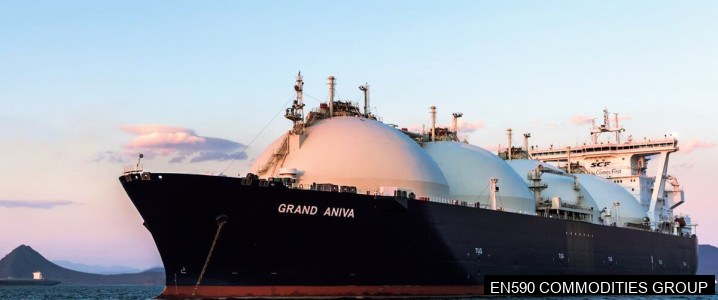
Disruptions to Qatari and UAE exports through the Strait of Hormuz are forcing buyers to secure replacement volume at higher prices.
Total portfolio costs are expected to reach $256 billion, up 18% from a pre-war estimate, underscoring how importers face different levels of exposure depending on their contract coverage, pricing benchmarks and ability to reduce demand.
Rystad Energy’s modeling assumes that Qatari and UAE LNG deliveries will be unavailable from March through the end of 2026.
Under this scenario, global LNG portfolio costs rise from $217.8 billion to at least $256.3 billion.
Europe faces the largest increase, with its LNG bill rising by a minimum of $12 billion, or 18%, even as demand falls by 24 million tonnes.
Europe entered the crisis already heavily reliant on spot purchases, leaving less room to further boost that share further.
As a result, its share of spot imports is projected to rise by just 5.49%, after factoring in demand destruction, compared with pre-war estimates.
At the same time, Europe is set to lose 20.6 million tonnes of the 24.7 million tonnes of Qatari LNG scheduled for delivery in 2026, before the conflict began.
East Asia is better positioned to weather the disruption, with spot purchases accounting for just 14.5% of imports.
A broader portfolio of supply contracts outside the Middle East and lower LNG demand help limit the region’s exposure to disrupted Qatari and UAE deliveries.
| Product | Price | Change |
|---|---|---|
| Brent Crude | $102.14/bbl | +0.34% |
| WTI Crude | $96.90/bbl | +0.21% |
| EN590 Diesel | $846/MT | +0.18% |
| Jet Fuel A-1 | $1090/MT | +0.55% |
| Mazut M100 | $450/MT | -0.15% |
| Bitumen 60/70 | $470/MT | +0.08% |
| Sulphur Gran 99.5% | $470/MT | -0.44% |
| Urea 46% Gran | $650/MT | +1.12% |
| NPK 16-16-16 | $460/MT | -0.28% |
| Nat Gas TTF | $15.42/MMBtu | +0.92% |
Comments
Post a Comment