The World’s Gold Producers Are Starting to Hoard Their Own Gold
Iraq Builds 2027 Budget on $58 Oil—and a Very Large Deficit The leading economics blog online covering financial issues, geopolitics and trading.
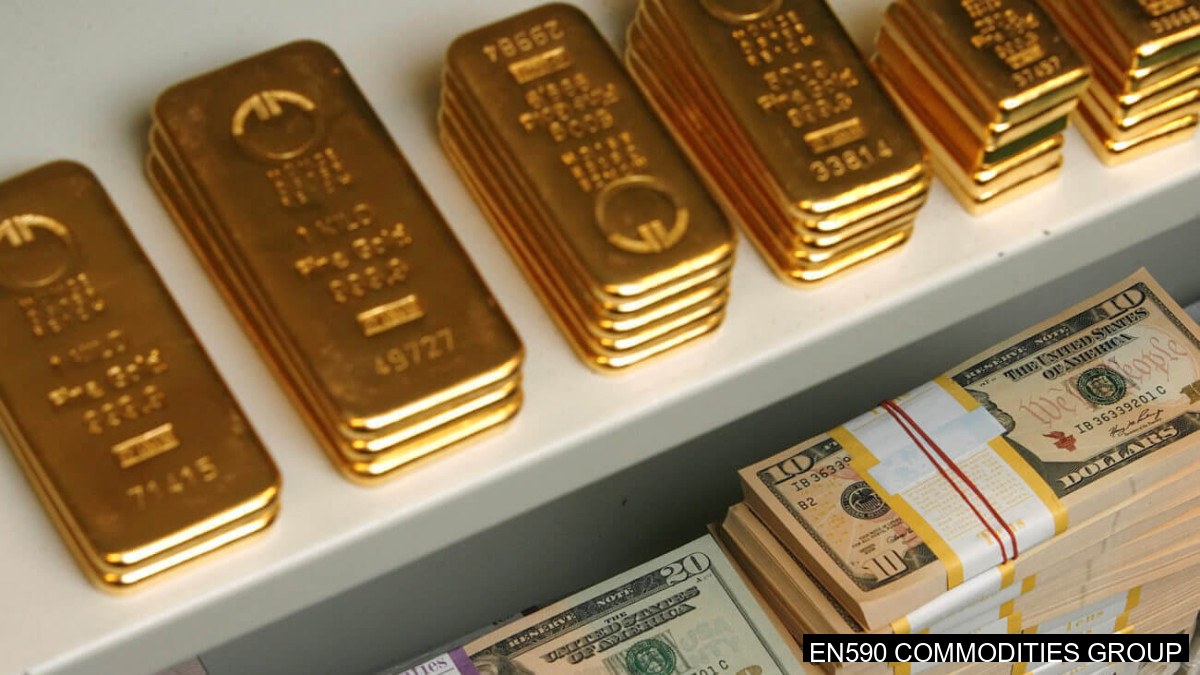
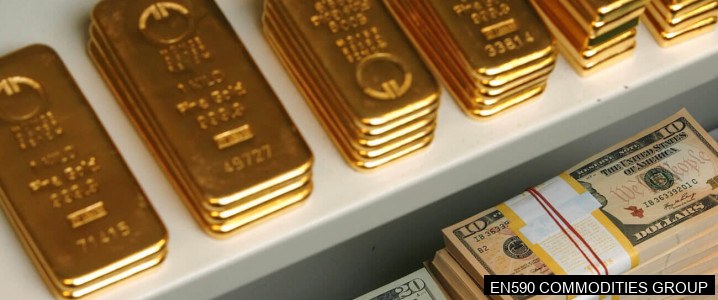
For most of modern history, the gold trade worked one way: emerging-market mines dug it up, shipped it out (often as cheap ore, more often through the back door), and London and New York did the rest.
But that arrangement is now quietly breaking down.
According to amust-read report in Nikkei Asia, countries across Asia are moving tocapture more of the value from the gold boom by refining domestically, taxing exports and having their central banks buy local production.
Nikkei calls it "a new form of resource nationalism",and one that "could exert upward pressure on gold prices over the medium to long term." The two reasons it gives will be very familiar to regular readers:waning confidence in the US dollar as the world's reserve currency, and the fact that dollar assets of countries at odds with Washington have been frozen under sanctions.
In other words, the world's gold producers have noticed the same thing the world's central banks noticed in 2022: gold is theone reserve asset nobody else can freeze, and they are sitting on top of it.
Below we walk through who is hoarding gold and how, why Goldman thinks central-bank (and now producer-country) demand is doing "nearly all" the work in its $5,400 gold forecast, and why - for now - none of that has been enough to beat a hiking Fed.
Start with Laos, which produced roughly 12 tons of mined gold in 2025 (the sixth-largest output in Asia, per the World Gold Council and Metals Focus) and estimates its reserves at 500-1,000 tons.
Until now, most of that left the country as ore, "through both official and unofficial channels." In 2024 the government set up the Lao Bullion Bank, which aims to refine local gold at home,raise gold's share of the country's FX reserves, and give citizens a trusted place to store their savings.
Laotian PM Sonexay Siphandone now calls gold development "a key priority in strengthening our economic foundation." The head of the Japan Bullion Market Association, who attended the launch event, described the speed of the build-out as "astonishing." Indonesia, the world's 10th-largest producer at more than 100 tons a year, is going further: it announced last year anexport tax of up to 15% on gold, effective 2026, because domestic supply can't keep up with local investment demand.
Regular readers will recall thatwe flagged Jakarta's levy(Nov 17, 2025) when it was still in its "final stage," complete with a sliding scale that rises with the gold price.
At roughly $4,150/oz, a 15% duty works out to about $620 an ounce,which is a very polite way of saying "please don't export this." And then there isChina, the world's largest producer at a little over 380 tons a year (about a tenth of global output), which is also a major importer.
| Product | Price | Change |
|---|---|---|
| Brent Crude | $102.14/bbl | +0.34% |
| WTI Crude | $96.90/bbl | +0.21% |
| EN590 Diesel | $846/MT | +0.18% |
| Jet Fuel A-1 | $1090/MT | +0.55% |
| Mazut M100 | $450/MT | -0.15% |
| Bitumen 60/70 | $470/MT | +0.08% |
| Sulphur Gran 99.5% | $470/MT | -0.44% |
| Urea 46% Gran | $650/MT | +1.12% |
| NPK 16-16-16 | $460/MT | -0.28% |
| Nat Gas TTF | $15.42/MMBtu | +0.92% |
Comments
Post a Comment