White House Turns to Korean War-Era Law as Diesel Prices Stay Above $6
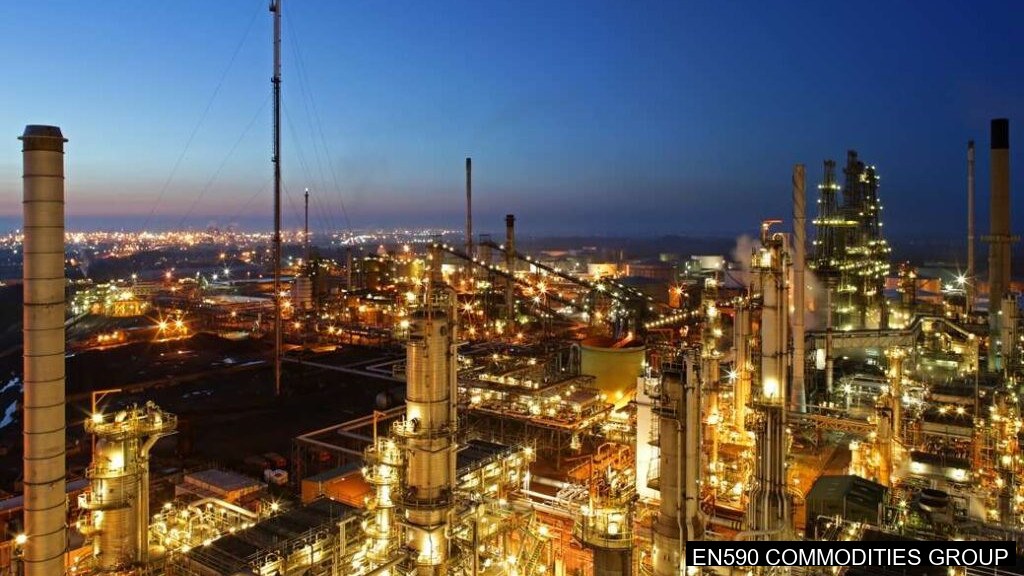
US Crude Oil Inventories See Massive Drop Off What I Cover Tsvetana Paraskova is an energy and commodities journalist who has contributed to Oilprice.com for nearly a decade, covering global energy markets, commodities,… The United States has used a 1950 authority to help boost fuel production at a small Texas refinery, Vice President JD Vance said on Tuesday, as the Trump Administration is running out of levers to lower record-high fuel prices.
“I am pleased to announce that the Trump administration, working with the refinery at Delek, has used the Defense Production Act and we’re going to expand the refinery right here in Tyler, Texas,” Vancesaidat a political rally in Texas.
“We want millions of gallons of commercial-grade and military-spec fuel to come out of this refinery, in addition to what it’s already producing,” the Vice President said.
The Defense Production Act, originally enacted in 1950 in response to the start of the Korean War, is a federal law granting broad authority to the President to direct private businesses to produce critical materials and services for national defense and emergency preparedness.
With the midterm elections looming, the Trump Administration has entertained in recent weeks various ideas to increase fuel availability in the United States.
From a ban on diesel exports (now ruled out) to a deal with Vladimir Putin for Russian diesel deliveries (actually announced), no option has been off limits for the Administration facing record-high diesel prices and gasoline prices at their highest level for autumn ever.Related: OPEC Sees Oil Demand Growth Surging to 2.6 Million Bpd in 2027 At the Texas rally, VP Vance did not provide any timelines or volumes for the “millions of gallons” of additional fuel Delek’s 74,000-barrel-per-day refinery would produce.
It is uncertain how much time the refinery expansion would take or if the Defense Production Act would be extended to other refineries in the United States.
It’s certain that additional output is unlikely to hit the market within three weeks and lower fuel prices ahead of the midterm elections on November 3.
Despite slight declines in recent days, gasoline and diesel prices remain elevated.
national average price of a gallon of regular gasoline set arecord for October, and this has been the first October ever to see the national average above $4 per gallon.
As of Tuesday, the national average was$4.34per gallon.
The national diesel average was at $6.28 a gallon, lower than $6.31 a week ago, but so much more than $3.65 at this time last year.

| Product | Price | Change |
|---|---|---|
| Brent Crude | $102.14/bbl | +0.34% |
| WTI Crude | $96.90/bbl | +0.21% |
| EN590 Diesel | $846/MT | +0.18% |
| Jet Fuel A-1 | $1090/MT | +0.55% |
| Mazut M100 | $450/MT | -0.15% |
| Bitumen 60/70 | $470/MT | +0.08% |
| Sulphur Gran 99.5% | $470/MT | -0.44% |
| Urea 46% Gran | $650/MT | +1.12% |
| NPK 16-16-16 | $460/MT | -0.28% |
| Nat Gas TTF | $15.42/MMBtu | +0.92% |
Comments
Post a Comment