U.S. Labs Look to New Materials to Close China's Nuclear Lead
Chevron Profits Nearly Triple to $9.9 Billion Haley Zaremba is an energy journalist and researcher with more than a decade of professional experience covering global energy systems, land and natural resources, and… The United States is racing to reestablish itself as a frontrunner in the global nuclear energy sector.
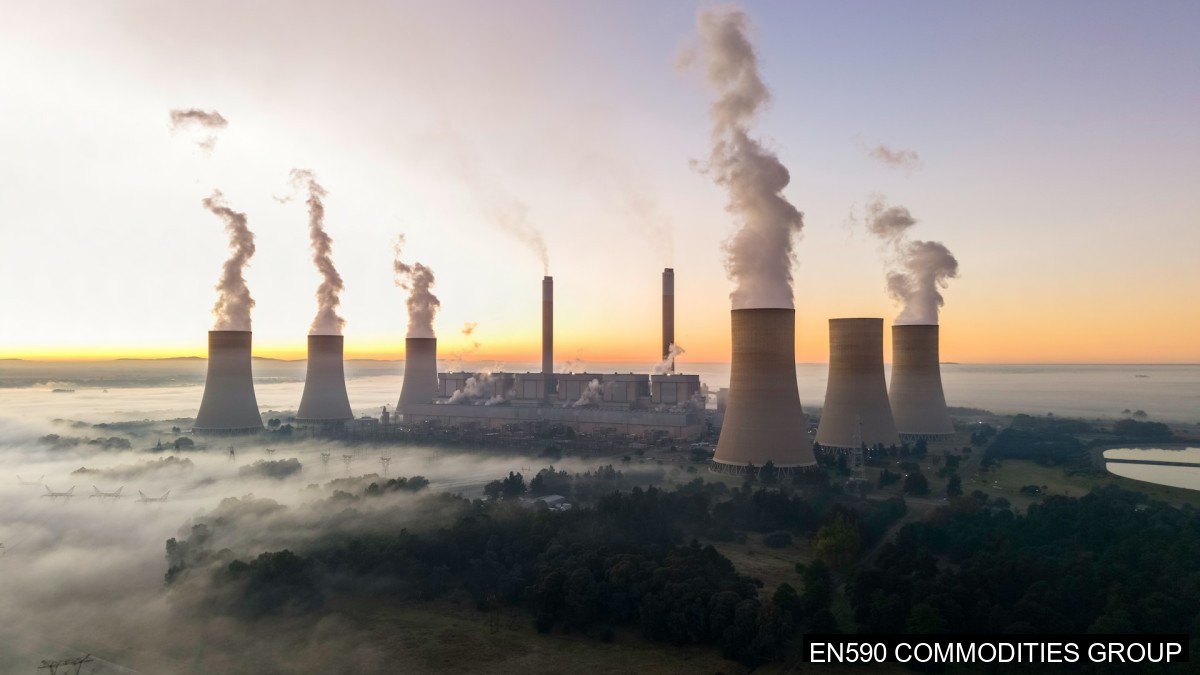
While the country still maintains its status as the world’s largest nuclear power producer, it likely won’t be able to hold onto that accolade for long.
China has vastly outspent the United States on nuclear power research and development for years now.
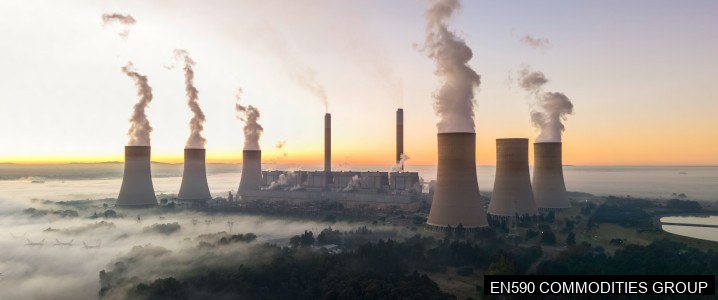
As a result, its sector is younger, more advanced, and growing at a fast clip while the American fleet stagnates and its reactors age out.
Moreover, China is pushing the envelope on next-gen nuclear technologies like small modular reactors and molten salt reactors, giving Beijing a great degree of control in the sector’s future direction.
“By a wide margin, China will have the world’s most dynamic and significant nuclear industry through 2035,” Damien Ma, energy lead analyst for Gavekal Technologies, wrote in a 2026 report,as quoted bythe South China Morning Post in June.
“Construction efficiencies mean China can build a new plant in about six years, compared with more than a decade for the latest Vogtle reactors in the US,” Ma went on to say.
But the Trump administration is determined to change that narrative, with the stated intent to “produce lasting American dominance in the global nuclear energy market.” Building on nuclear energy supports prioritized by the Biden administration, in the last several years the federal government has made inroads toward directing much-needed funding toward the sector, with a focus on next-generation and advanced technologies in order to stay competitive with China.
This renewed focus has already contributed to several breakthroughs in the sector.
Just this week, researchers at the Department of Energy’s (DOE) Pacific Northwest National Laboratory (PNNL) announced that they have developed a new metal alloy that has demonstrably withstood stresses of up to 600 megapascals (MPa) at room temperature.
This durability could make the material indispensable in nuclear reactor designs in the future.
But, even more importantly, the discovery of the experimental alloy, called V555, confirms a process, calledrobust alloy design (RAD), developed by the PNNL to rapidly screen, simulate, and optimize different materials for use in nuclear power contexts.


| Product | Price | Change |
|---|---|---|
| Brent Crude | $102.14/bbl | +0.34% |
| WTI Crude | $96.90/bbl | +0.21% |
| EN590 Diesel | $846/MT | +0.18% |
| Jet Fuel A-1 | $1090/MT | +0.55% |
| Mazut M100 | $450/MT | -0.15% |
| Bitumen 60/70 | $470/MT | +0.08% |
| Sulphur Gran 99.5% | $470/MT | -0.44% |
| Urea 46% Gran | $650/MT | +1.12% |
| NPK 16-16-16 | $460/MT | -0.28% |
| Nat Gas TTF | $15.42/MMBtu | +0.92% |
Comments
Post a Comment